Long-Lasting Foods Used Before Modern Storage
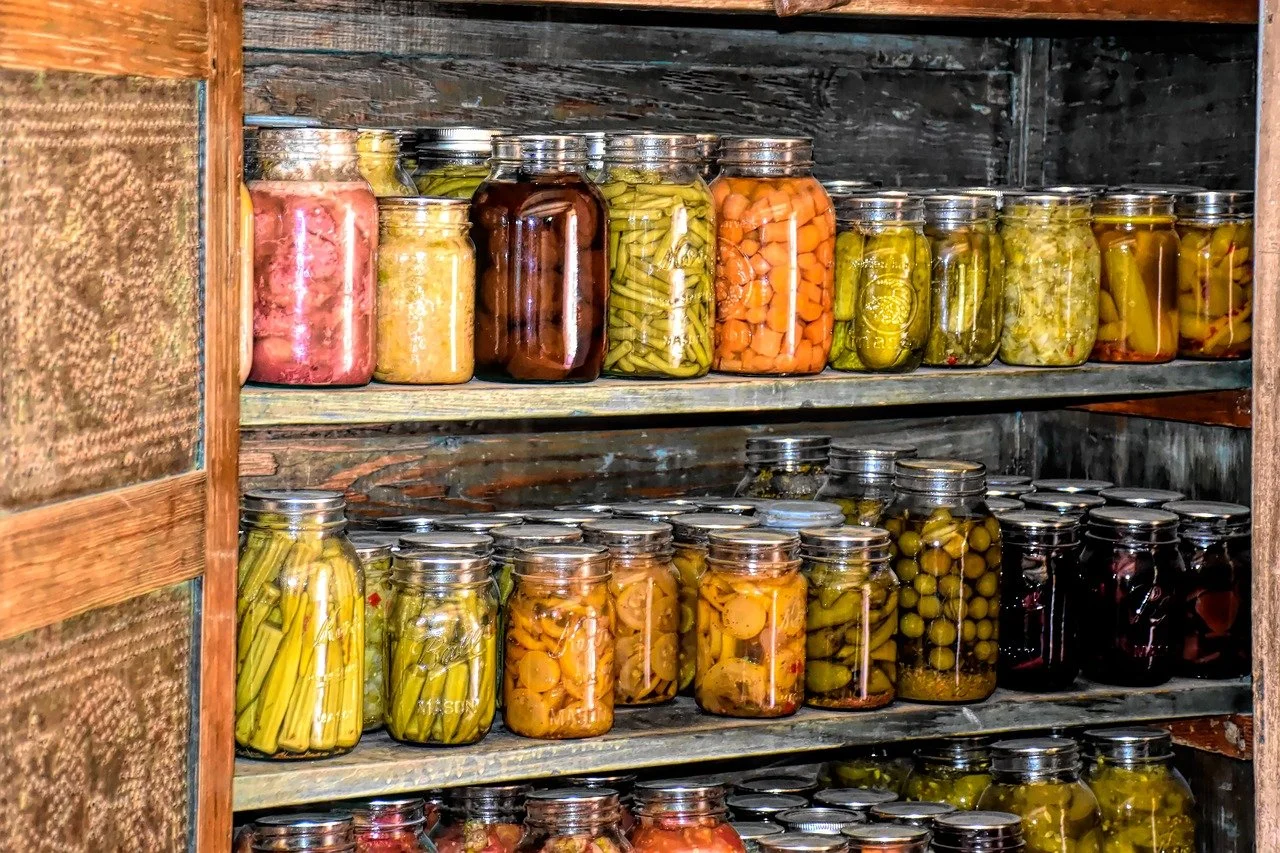
Before refrigerators hummed in every kitchen and grocery stores restocked daily, food meant survival. Families couldn’t rely on frozen meals, preservatives, or same-day delivery. Every bite had to be planned, preserved, and protected—sometimes months or even years in advance.
Long-lasting foods weren’t a lifestyle choice or a trend. They were the foundation of daily life. Across cultures and continents, people learned which foods could endure time, weather, and hardship. Those foods helped communities survive harsh winters, long journeys, wars, and famines.
Many of these staples have quietly disappeared from modern diets, replaced by convenience foods that depend entirely on electricity and complex supply chains. Yet today, more people are rediscovering the wisdom behind these traditional foods. Guides like The Lost SuperFoods explore how earlier generations thrived using knowledge rather than technology—knowledge that’s still relevant now.
Why Long-Lasting Foods Were Essential
For most of human history, food was seasonal. Crops were harvested once or twice a year, and whatever wasn’t preserved correctly was lost. Winter, droughts, failed harvests, or conflict could quickly turn abundance into scarcity.
Long-lasting foods solved several critical problems:
Seasonal survival: Preserved foods carried families through winters and dry seasons
Travel and trade: Merchants, explorers, and armies needed food that wouldn’t spoil
Unpredictable hardship: Famine, war, and displacement made reliable food essential
No safety net: There were no emergency services or food banks—preparation mattered
Food knowledge was passed down through generations. Children learned early which foods could be trusted to last, how to store them, and how to recognize spoilage. Losing that knowledge could mean hunger—or worse.
How People Preserved Food Naturally
Without refrigeration, people developed remarkably effective preservation techniques using nothing but time, air, salt, smoke, and earth.
Drying and Dehydration
Removing moisture prevented bacteria from growing. Grains, fruits, herbs, and meats were dried in the sun or over low heat, dramatically extending shelf life.
Fermentation
Fermentation didn’t just preserve food—it transformed it. Vegetables, dairy, and grains became more stable and often easier to digest.
Smoking and Salting
Salt drew moisture out of food, while smoke added antimicrobial protection. Together, they kept meats edible for months.
Root Cellars and Underground Storage
Cool, dark environments slowed spoilage. Root vegetables and hard foods could last all winter when stored properly.
Many of these methods—and the foods best suited for them—are documented in historical survival records and rediscovered in resources like The Lost SuperFoods, which focuses on preservation techniques that don’t rely on electricity or modern infrastructure.
Long-Lasting Foods Used Before Modern Storage
Below are some of the most important foods that sustained people long before modern storage existed.
1. Dried Grains (Wheat, Barley, Oats)
Grains were the backbone of survival diets. When kept dry, whole grains could last for years. They were easy to store, transport, and grind into flour when needed.
Grains provided steady energy and could be prepared in many ways, making them indispensable across cultures.
2. Beans and Legumes
Beans were another survival staple thanks to their durability and versatility. Properly dried legumes stored well and offered essential nutrients during lean times.
They were especially valuable because they could be combined with grains to create complete, sustaining meals.
3. Honey
Honey is famous for one remarkable trait: it doesn’t spoil. Archaeologists have found jars of honey thousands of years old that were still edible.
Beyond sweetness, honey served as a preservative, an energy source, and a trade item—making it one of history’s most valuable long-lasting foods.
4. Salted and Dried Meats
Fresh meat spoiled quickly, but salting and drying transformed it into a dependable food source. Cultures around the world created their own versions of preserved meats to survive long winters and journeys.
These meats were compact, nutrient-dense, and essential during times when hunting or farming wasn’t possible.
5. Hard Cheeses
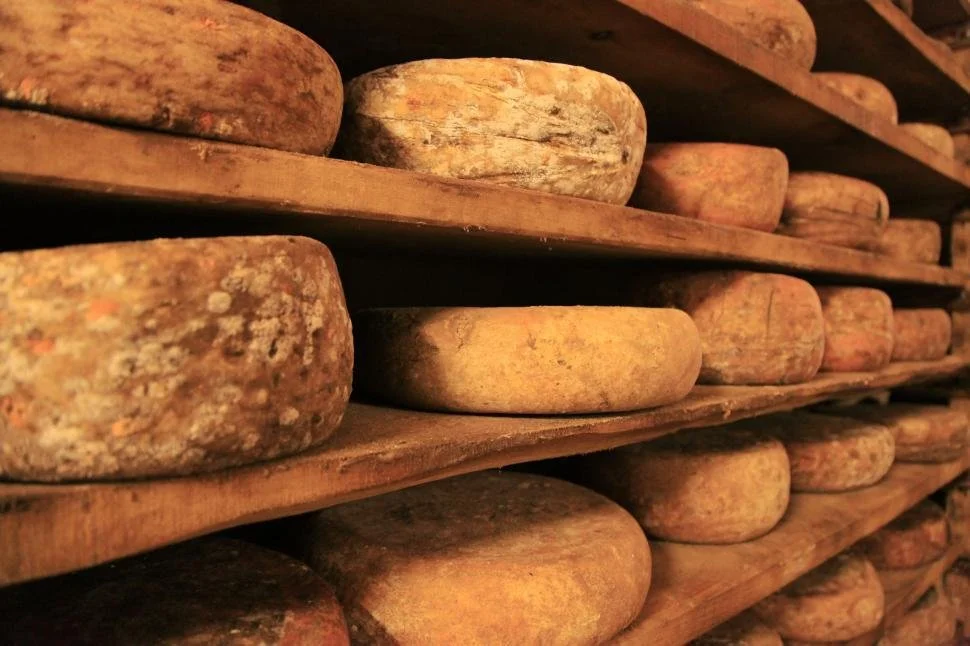
Not all dairy spoiled quickly. Hard cheeses, when aged properly, could last months without refrigeration. Cheese allowed people to preserve milk—a highly perishable food—into a stable form.
Cheese became especially important in regions where livestock thrived but fresh food was scarce in winter.
6. Fermented Vegetables
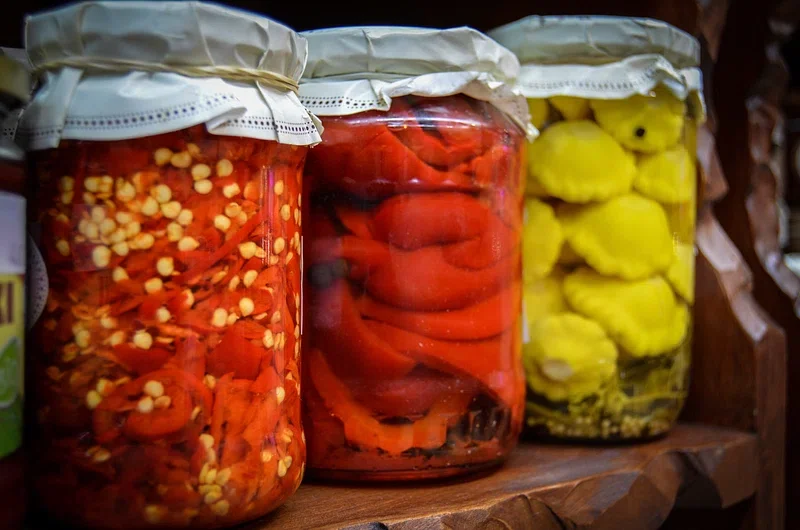
Vegetables didn’t have to be eaten fresh to be valuable. Fermentation preserved cabbage, cucumbers, and other produce while enhancing flavor and longevity.
These foods added variety to diets dominated by grains and meats and helped prevent nutrient deficiencies.
7. Root Vegetables
Root crops like potatoes, carrots, and turnips were designed by nature to store energy. When kept in cool, dark environments, they could last for months.
They were a reliable fallback when fresh greens disappeared from the landscape.
8. Dried Fruits and Berries
Drying fruits concentrated their sweetness and preserved them for long periods. Berries, apples, and plums were dried for winter use and long travel.
They provided quick energy and variety during seasons when fresh fruit was unavailable.
Why These Foods Disappeared From Modern Diets
As refrigeration, canning, and processed foods became widespread, the need for traditional preservation faded. Convenience replaced knowledge.
Modern food systems prioritized:
Speed over durability
Variety over reliability
Global supply chains over local storage
As a result, many long-lasting foods were labeled “old-fashioned” or forgotten entirely. The skills required to store and prepare them safely were no longer taught.
Yet this convenience came with a trade-off: dependence. When modern systems fail—even briefly—many people realize how little food knowledge they actually have.
Why People Are Rediscovering These Foods Today
Interest in long-lasting foods is growing again, and for good reason.
People are:
Thinking more about preparedness and resilience
Seeking traditional, time-tested knowledge
Questioning dependence on fragile supply chains
Looking for sustainable food practices
Rediscovering these foods isn’t about fear—it’s about learning from history. Earlier generations survived without modern tools, not because life was easier, but because they understood food deeply.
This renewed curiosity has led many readers to resources like The Lost SuperFoods, which collects historical knowledge about long-lasting, survival-ready foods in one place.
What The Lost SuperFoods Explores
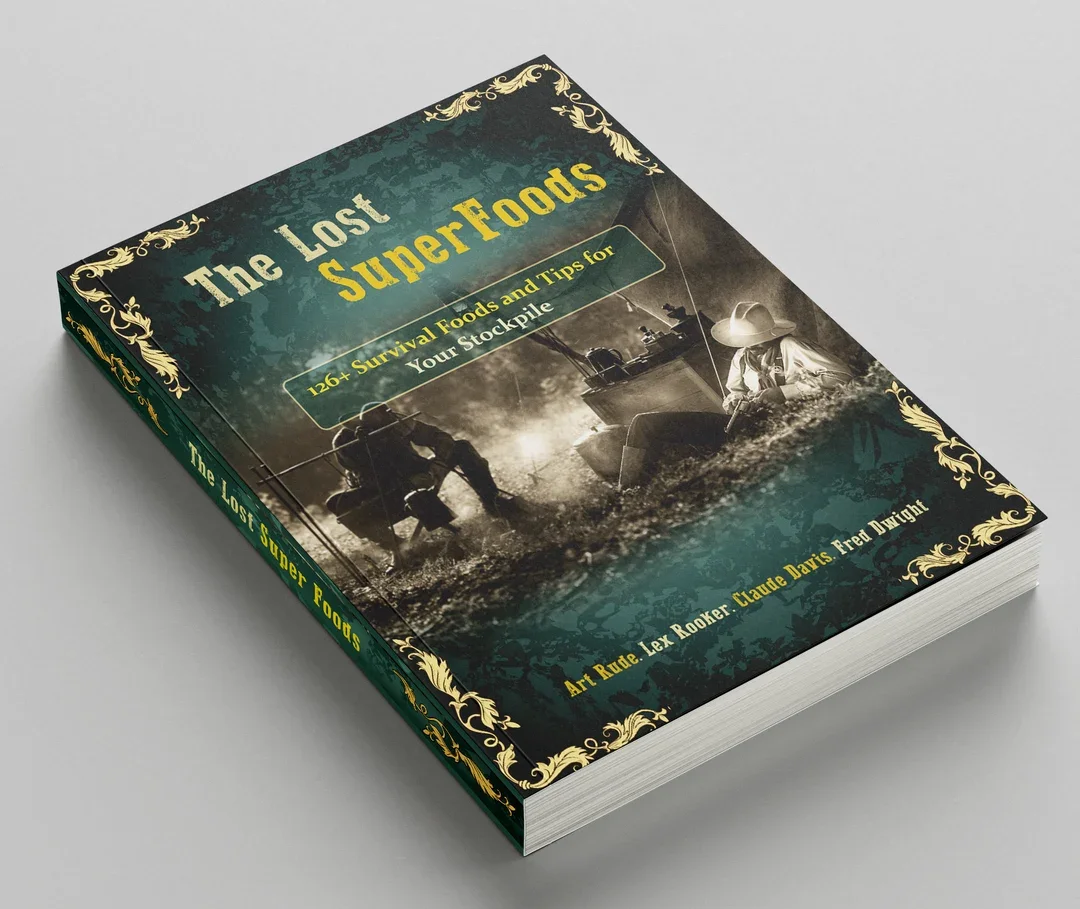
The Lost SuperFoods by Claude Davis focuses on foods that sustained people through history—especially during times of scarcity.
The guide explores:
Forgotten foods with naturally long shelf lives
How these foods were stored without electricity
Why they were essential to survival
How modern readers can learn from historical practices
Rather than relying on modern technology or trends, the book highlights knowledge-based survival—how people thrived using simple methods and natural foods.
If you’re curious about how people survived without grocery stores, refrigeration, or modern food systems, The Lost SuperFoods dives deeper into these forgotten staples and the wisdom behind them.
Learning From the Past
Long-lasting foods weren’t just practical—they were lifesaving. They shaped human survival, migration, and civilization itself.
Understanding these foods today isn’t about going backward. It’s about reclaiming knowledge that once made people resilient in uncertain times.
History shows us that food security doesn’t come from convenience alone—it comes from understanding what lasts, why it lasts, and how to use it wisely. Resources like The Lost SuperFoods preserve that knowledge, offering modern readers a chance to reconnect with the survival wisdom of the past.
