What to Stockpile When Inflation Hits Hardest (Beyond Just Rice and Beans)
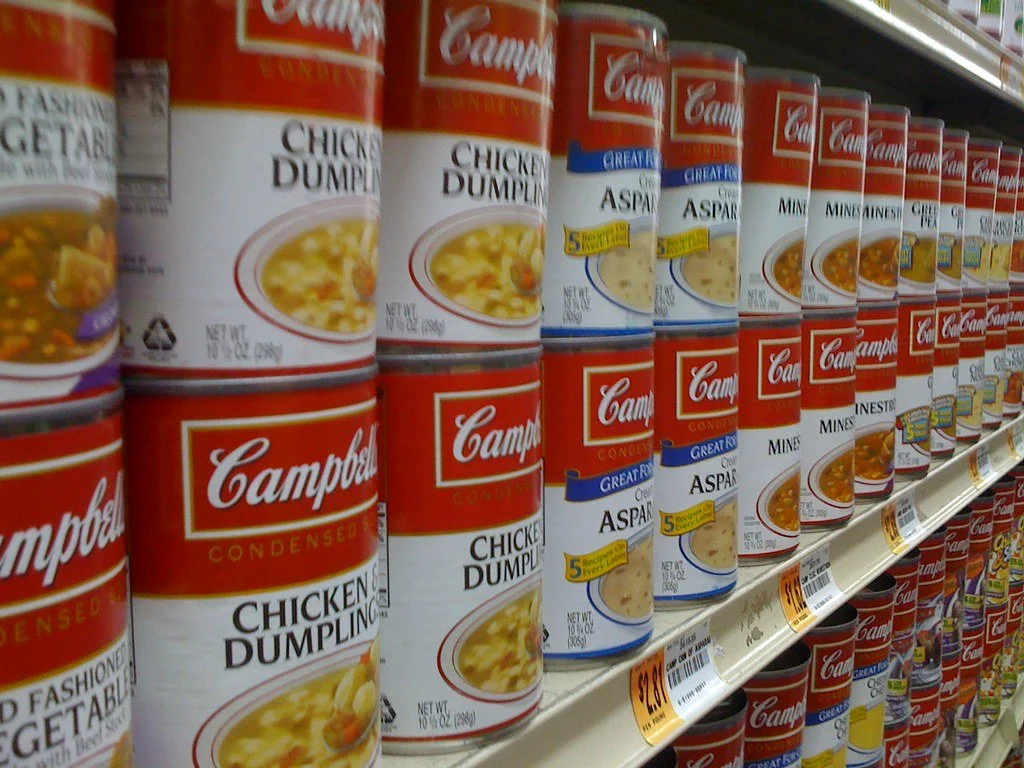
When inflation hits hard, your grocery bill isn't the only thing that changes.
The cost of meat rises. Canned goods get more expensive. Cooking staples become harder to justify. And suddenly, the emergency food supply you thought would protect your household doesn't look quite as practical as it did six months ago.
That's why knowing what to stockpile during inflation is about more than buying bags of rice and beans.
Rice and beans can absolutely have a place in a long-term food supply. But a well-rounded stockpile should also provide protein, fats, calories, variety, shelf stability, and foods you will actually want to eat.
In this guide, we'll cover the best foods to stockpile when inflation gets painful, what many people forget to store, and how traditional preservation methods can help you build a more resilient pantry.
Want to go beyond the usual rice-and-beans emergency pantry?
Explore The Lost Superfoods for ideas inspired by traditional food-preservation methods and forgotten survival foods.
1. Salt: One of the Most Overlooked Stockpile Staples
Salt isn't exciting.
But it can be incredibly useful.
It's inexpensive, compact, and has numerous culinary and preservation applications.
If you're building a long-term pantry, consider keeping a generous supply of salt appropriate for your cooking and food-preservation needs.
Salt can also make otherwise bland staple foods much more enjoyable.
And that's important.
A stockpile isn't particularly useful if everyone in your household dreads eating it.
Stockpile tip: Store salt in a dry, sealed container and keep it away from moisture.
2. Honey for Long-Term Sweetness
Sugar is an obvious pantry staple, but honey deserves consideration too.
Honey can be used as a sweetener, added to drinks, incorporated into recipes, or used to make otherwise monotonous foods more appealing.
It's also incredibly energy-dense.
And unlike many fresh foods, honey doesn't depend on refrigeration.
For an inflation-resistant pantry, foods that serve multiple purposes are particularly valuable.
Honey is one of them.
Stockpile tip: Keep honey tightly sealed and stored in a cool, dry location. Crystallization doesn't necessarily mean it's spoiled; honey can often be returned to a liquid state with gentle warming.
3. Oats: More Than Just Breakfast
Oats are inexpensive, versatile, and easy to prepare.
They're also much more adaptable than many people realize.
You can use oats for:
Breakfast porridge
Overnight oats
Homemade granola
Baked goods
Thickening certain recipes
Energy bars
Simple savory meals
Because they're relatively inexpensive compared with many other foods, oats can be a useful way to add variety without dramatically increasing your food budget.
Stockpile tip: For longer storage, protect dry oats from moisture, heat, insects, and oxygen.
4. Pasta for Cheap, Flexible Calories
Pasta is another food that deserves a place in many emergency pantries.
It's inexpensive, compact, and incredibly versatile.
The bigger advantage is what you can put with it.
A basic pasta supply becomes much more useful when paired with shelf-stable tomato products, canned vegetables, canned meat or fish, seasonings, cheese products with appropriate storage characteristics, or other pantry ingredients.
That creates dozens of possible meals rather than one repetitive dish.
And variety matters more than people think.
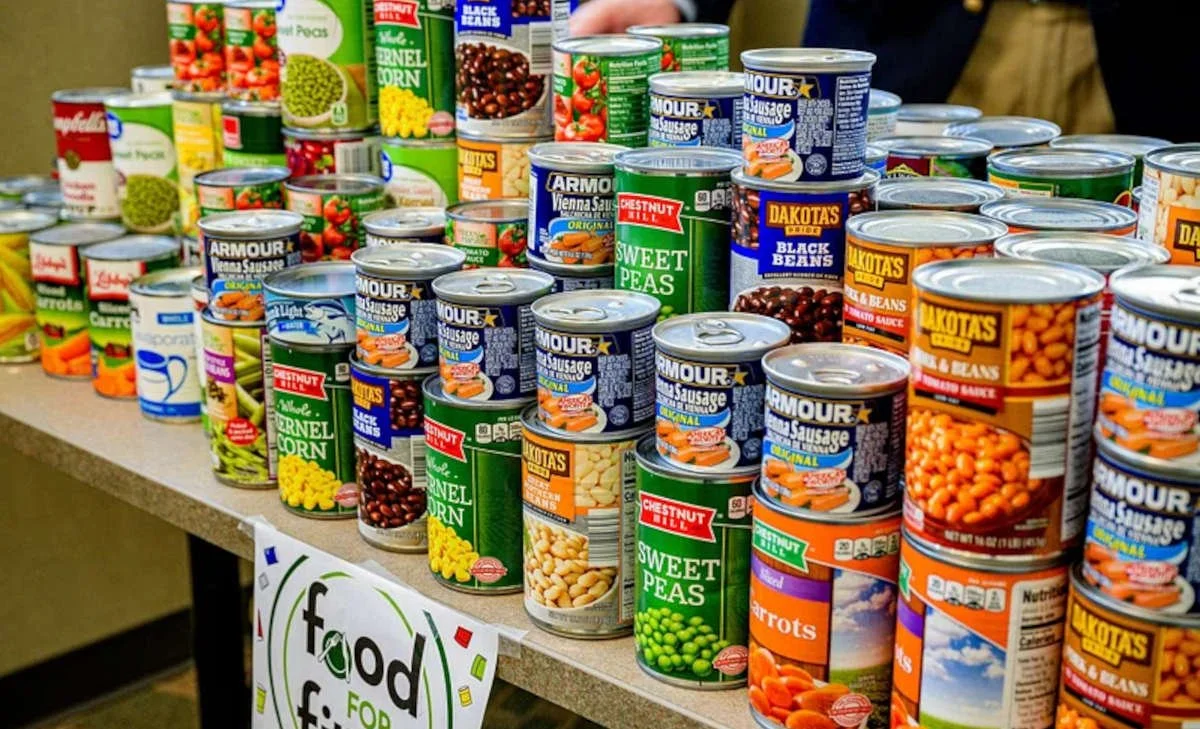
5. Canned Meat
Canned meat can be another useful component of a diversified emergency pantry.
Chicken, beef, turkey, ham, and other shelf-stable meat products can dramatically increase the number of meals you can create from basic staples.
Think of it this way:
Rice by itself is a carbohydrate.
Rice + canned meat + vegetables + seasoning becomes dinner.
That's why complementary foods are more useful than simply buying enormous quantities of one cheap staple.
6. Dried Fruits
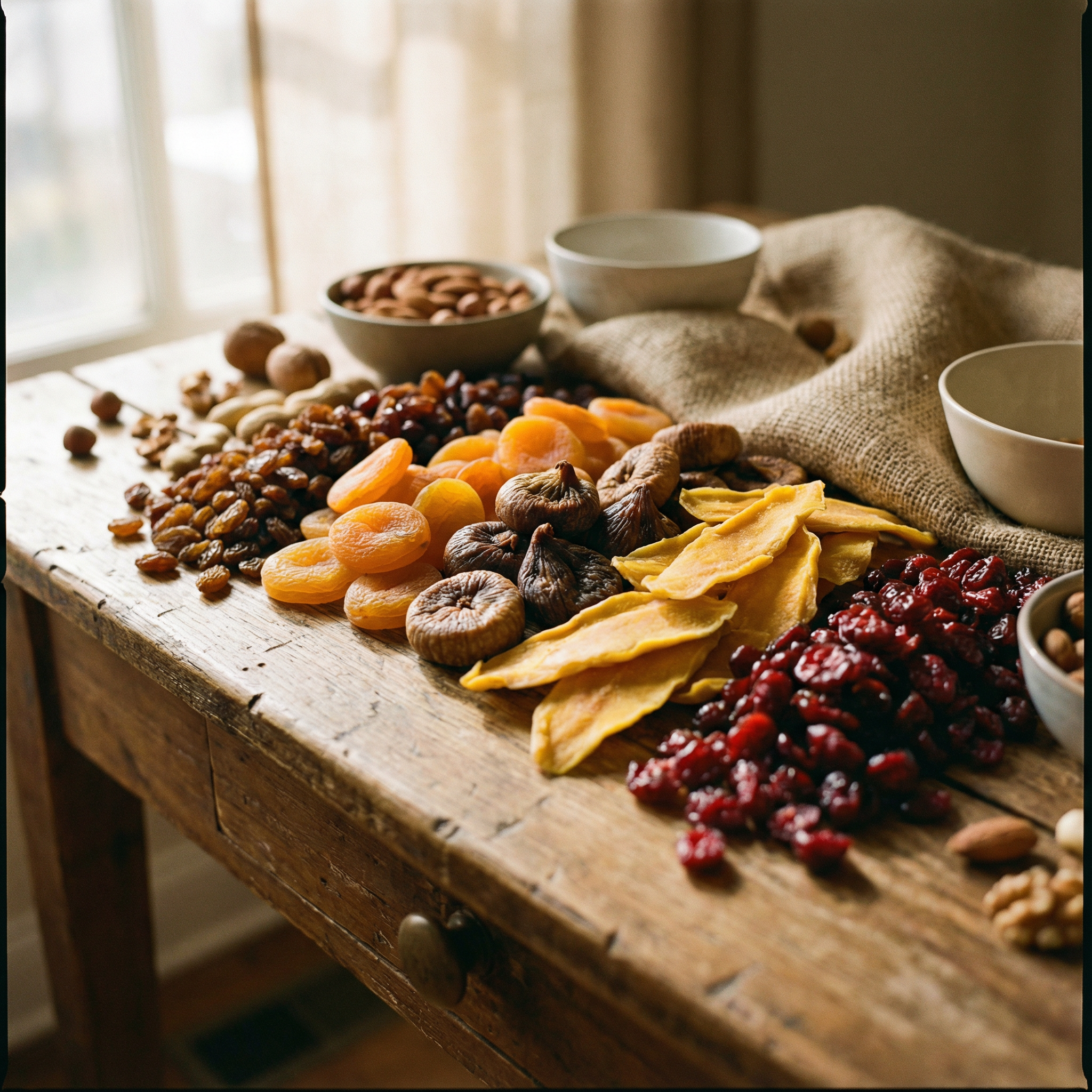
Fresh fruit is one of the first things that becomes difficult to maintain during certain disruptions.
Dried fruit can help fill that gap.
Raisins, dates, dried apricots, prunes, and other dried fruits can add:
Sweetness
Calories
Variety
Convenience
Portable energy
They're particularly useful as additions to oatmeal, trail mixes, baked goods, and snacks.
Just remember that dried foods still require appropriate storage to protect them from moisture, pests, and quality deterioration.
7. Cooking Oils and Fats
This is one of the biggest mistakes people make when building a food stockpile.
They focus heavily on grains and completely forget about fats.
But fat is an important source of energy, and cooking oils also make many staple foods considerably more useful.
Consider maintaining an appropriate supply of shelf-stable cooking fats such as:
Olive oil
Coconut oil
Vegetable oil
Shortening
Other cooking fats appropriate to your diet and storage conditions
The catch?
Fats generally have a shorter useful storage life than dry grains.
So don't simply buy a decade's worth and forget about it.
Use a rotation system.
Buy what you can reasonably consume, store it properly, and replace older containers as you go.
8. Spices and Seasonings
Here's the uncomfortable truth about many emergency food plans:
They're nutritionally focused and psychologically miserable.
Imagine eating plain rice and beans for weeks.
Now imagine eating seasoned rice and beans with different combinations of spices, sauces, herbs, and preserved ingredients.
Same basic staples.
Completely different experience.
Stockpile seasonings you already use, such as:
Garlic powder
Onion powder
Black pepper
Chili powder
Paprika
Cumin
Cinnamon
Italian seasoning
Bouillon or appropriate soup bases
A relatively inexpensive spice collection can make a basic pantry dramatically moreversatile.
9. Dehydrated Vegetables
Vegetables are another category that can disappear quickly when food prices rise or fresh produce becomes harder to obtain.
Dehydrated vegetables can help bridge that gap.
Consider stocking products such as:
Carrots
Peas
Corn
Onions
Bell peppers
Tomatoes
Mixed vegetables
They're useful in soups, stews, rice dishes, pasta, casseroles, and other meals.
The goal isn't to recreate a supermarket aisle in your basement.
It's to maintain enough ingredients to keep your meals nutritionally and psychologically varied.
10. Traditional Foods Most Modern Stockpiles Ignore
Here's where things get especially interesting.
Modern preparedness tends to focus heavily on commercially packaged foods.
That's understandable.
They're convenient.
They're easy to buy.
And many have impressive shelf lives.
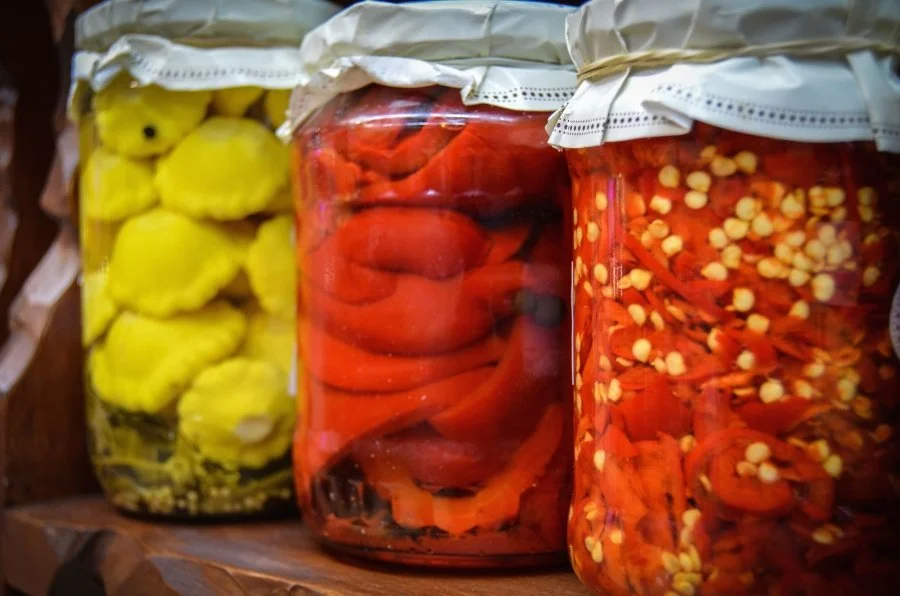
But humans were preserving food long before modern freeze-dried meals and plastic pouches existed.
Across different cultures, people developed methods for preserving foods using techniques such as:
Salting
Smoking
Drying
Fermenting
Pickling
Rendering
Air-drying
Some of these traditional methods created foods that could remain useful long after fresh ingredients were gone.
And that history is worth exploring.
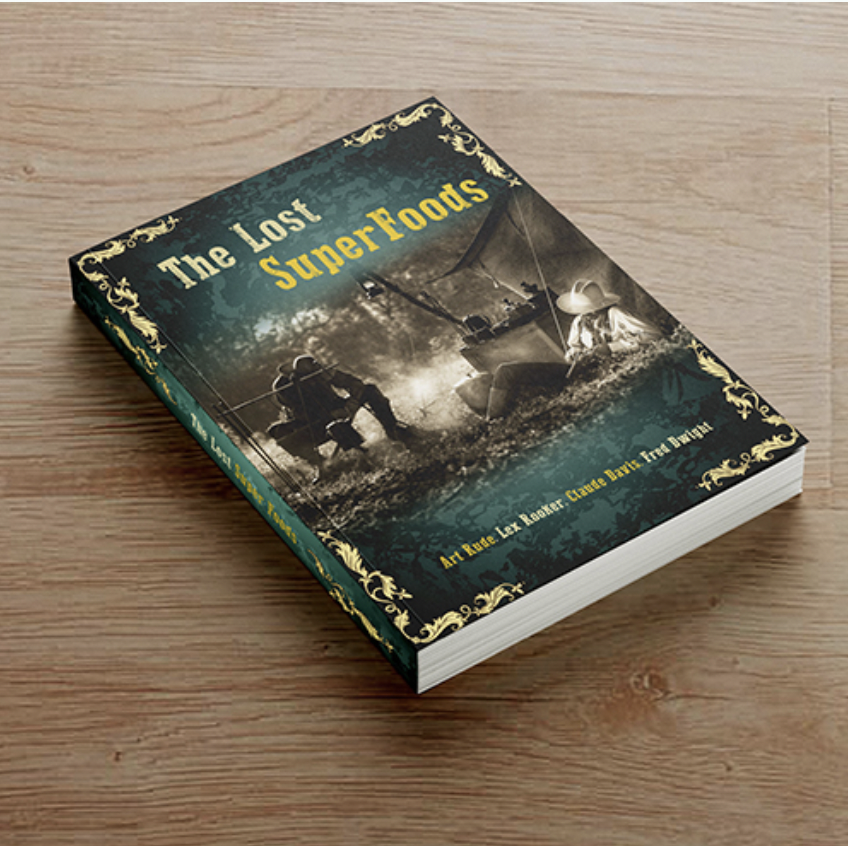
This is the idea behind The Lost Superfoods.
Rather than looking exclusively at modern emergency foods, The Lost Superfoods explores lesser-known traditional foods and preservation techniques that were used before today's supermarket-centered food system existed.
For someone interested in building a more diversified pantry, those forgotten methods can provide a fascinating source of ideas.
Ready to discover foods most modern preparedness guides overlook?
How Much Food Should You Actually Stockpile?
Start with the foods your household already eats.
Then gradually increase your supply.
A practical approach is to build layers.
Layer 1: Your Everyday Pantry
Start with several weeks of foods you already consume.
Think:
Rice
Pasta
Oats
Beans
Canned vegetables
Canned meat
Cooking oil
Seasonings
Basic baking supplies
Layer 2: Your Extended Pantry
Then add foods that provide greater variety and storage flexibility.
This might include:
Dehydrated vegetables
Dried fruit
Powdered dairy
Shelf-stable protein
Extra cooking fats
Soup ingredients
Additional grains
Layer 3: Your Long-Term Reserve
Finally, consider foods specifically chosen for longer storage and emergency use.
This is where traditional preservation techniques, carefully selected shelf-stable foods, and specialized emergency foods can become relevant.
The objective isn't to create an Instagram-worthy bunker.
It's to create resilience.
A Simple Inflation-Proof Stockpile Checklist
If you're starting from scratch, here's a straightforward checklist.
Carbohydrates
Rice
Oats
Pasta
Flour
Potatoes or shelf-stable potato products
Other grains your household eats
Protein
Beans
Lentils
Split peas
Canned fish
Canned meat
Nut or seed butter
Shelf-stable egg products
Fats
Cooking oil
Coconut oil
Shortening
Other suitable shelf-stable fats
Fruits & Vegetables
Canned vegetables
Canned fruit
Dried fruit
Dehydrated vegetables
Tomato products
Flavor
Salt
Sugar
Honey
Spices
Vinegar
Bouillon
Sauces and condiments with suitable shelf lives
Comfort
Coffee
Tea
Cocoa
Drink mixes
A few favorite shelf-stable treats
Traditional Preservation
Salted foods
Dried foods
Smoked foods
Fermented foods
Other traditional preservation methods worth learning
Final Thoughts
Rice and beans have earned their reputation for a reason.
They're inexpensive, versatile staples that belong in many emergency pantries.
But they shouldn't be the entire plan.
A resilient food stockpile should include protein, fats, fruits and vegetables, flavor, baking ingredients, comfort foods, and multiple forms of preserved food.
And if you want to take your preparedness a step further, it's worth looking backward as well as forward.
Our ancestors developed ingenious ways to preserve and store food without modern refrigeration, supermarkets, or industrial food packaging.
Some of those foods and techniques have largely disappeared from everyday life.
The Lost Superfoods is a great place to start exploring that forgotten side of food preservation and traditional survival foods.
Ready to discover what our ancestors knew about storing food?
Build a pantry that isn't just bigger.
Build one that's smarter, more diverse, and more resilient.
