10 Medicinal Herbs Everyone Should Grow at Home (Beginner-Friendly Guide)
Interest in natural wellness and herbal remedies has grown dramatically in recent years. Many people are looking for simple, natural ways to support their health without relying entirely on synthetic products.
One of the easiest and most empowering steps you can take is growing your own medicinal herbs at home. These plants have been used for centuries in traditional medicine to support immunity, digestion, relaxation, and overall wellbeing.
The best part? Many medicinal herbs are extremely easy to grow, even if you have little or no gardening experience. A small backyard, balcony, or even a sunny windowsill can be enough to grow a thriving herbal garden.
In this guide, you’ll discover 10 powerful medicinal herbs everyone should grow at home, along with simple tips to get started.
Why Grow Your Own Medicinal Herbs?
Growing medicinal herbs offers more benefits than most people realize.
1. Fresh, Chemical-Free Remedies
When you grow herbs yourself, you know exactly how they’re grown and harvested. This means no pesticides, additives, or unknown chemicals.
2. Save Money on Herbal Products
Herbal teas, supplements, and remedies can become expensive over time. Growing your own herbs allows you to create natural remedies for a fraction of the cost.
3. Self-Sufficiency
An herbal garden can act as a small “backyard pharmacy.” Having access to healing plants right outside your door is incredibly valuable.
4. Beginner-Friendly Gardening
Unlike many vegetables, herbs are low maintenance and highly resilient, making them ideal for beginners.
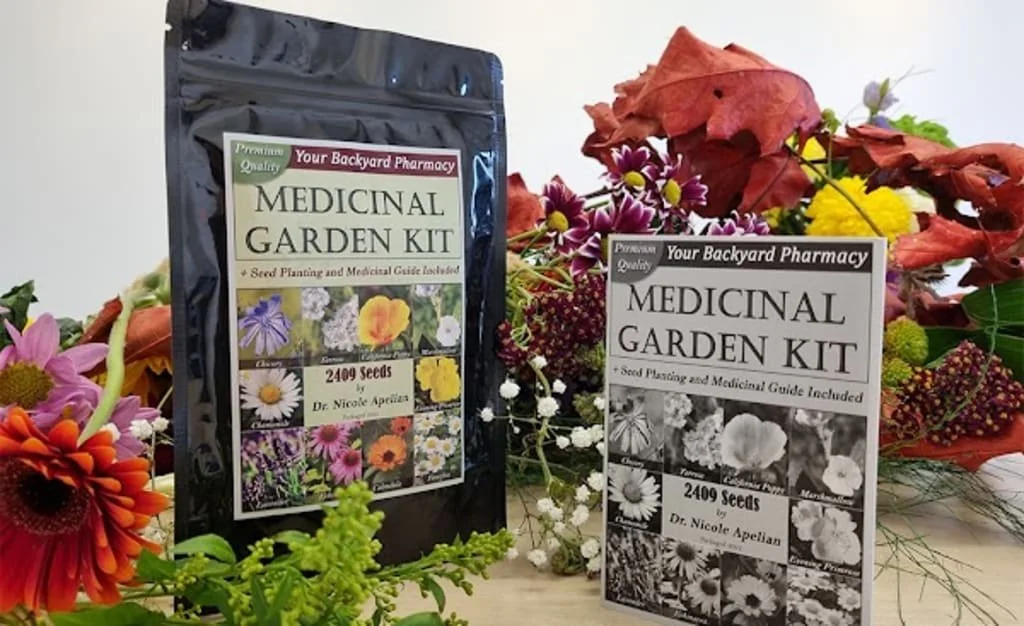
For people who want a simple way to begin, many gardeners start with a ready-made system like the Medicinal Garden Kit, which includes seeds and instructions for growing multiple healing herbs at home.
You can check out the Medicinal Garden Kit here and see how it helps beginners start their own herbal garden.
1. Chamomile – The Natural Sleep Herb
Chamomile is one of the most widely used medicinal herbs in the world and is best known for its calming properties.
Health Benefits
Chamomile has traditionally been used to:
Improve sleep quality
Reduce stress and anxiety
Ease digestive discomfort
Support relaxation
How to Use It
Chamomile flowers can be dried and used to make soothing herbal tea. Many people drink it before bed to promote restful sleep.
Growing Tips
Chamomile is very beginner-friendly and thrives in sunny areas with well-drained soil. It also grows well in small containers.
2. Peppermint – A Digestive Powerhouse
Peppermint is one of the easiest herbs to grow and is extremely useful for digestive support.
Health Benefits
Peppermint may help:
Relieve bloating and gas
Support digestion
Reduce headaches
Freshen breath
How to Use It
Peppermint leaves can be used for:
Herbal teas
Natural digestive remedies
Aromatic oils
Growing Tips
Peppermint grows very quickly and spreads easily, so it’s best grown in containers or pots to keep it under control.
3. Lavender – A Natural Stress Reliever
Lavender is famous for its relaxing scent and calming effects.
Health Benefits
Lavender may help:
Reduce anxiety and stress
Promote better sleep
Improve mood
Support relaxation
How to Use It
Lavender can be used in:
Herbal teas
Relaxing bath soaks
Aromatherapy
Growing Tips
Lavender prefers full sunlight and well-drained soil and does especially well in warm climates.
4. Echinacea – Immune System Support
Echinacea has long been used to support the immune system and is commonly taken during cold and flu season.
Health Benefits
Echinacea may help:
Boost immune response
Shorten cold duration
Reduce inflammation
Growing Tips
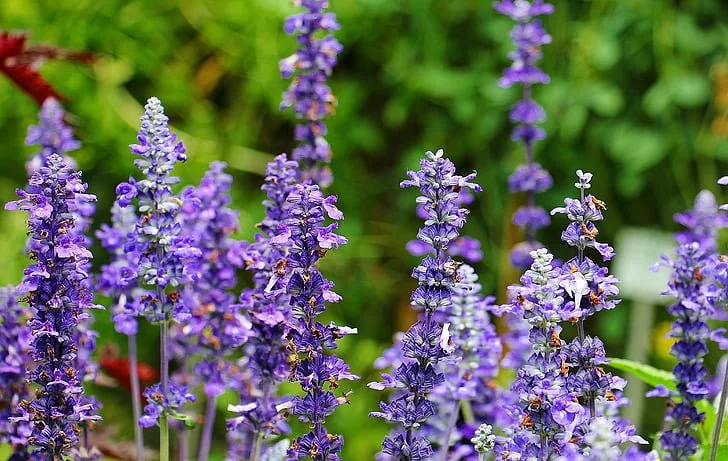
This herb grows well in gardens and containers and produces beautiful purple flowers, making it both functional and decorative.
5. Lemon Balm – Gentle Stress Relief
Lemon balm is a fragrant herb with a pleasant citrus scent and calming properties.
Health Benefits
Lemon balm may help:
Reduce stress
Improve sleep
Support digestion
Promote relaxation
How to Use It
Lemon balm is often used in herbal teas and calming tinctures.
Growing Tips
This herb grows easily and adapts well to containers, raised beds, and backyard gardens.
6. Calendula – The Skin Healing Flower
Calendula is widely used in herbal medicine for its skin healing properties.
Health Benefits
Calendula may help:
Heal minor cuts and wounds
Reduce skin irritation
Support anti-inflammatory healing
How to Use It
Calendula flowers are often used in:
Herbal salves
Healing ointments
Skin creams
Growing Tips
Calendula is extremely hardy and can thrive in many different climates, making it perfect for beginner gardeners.
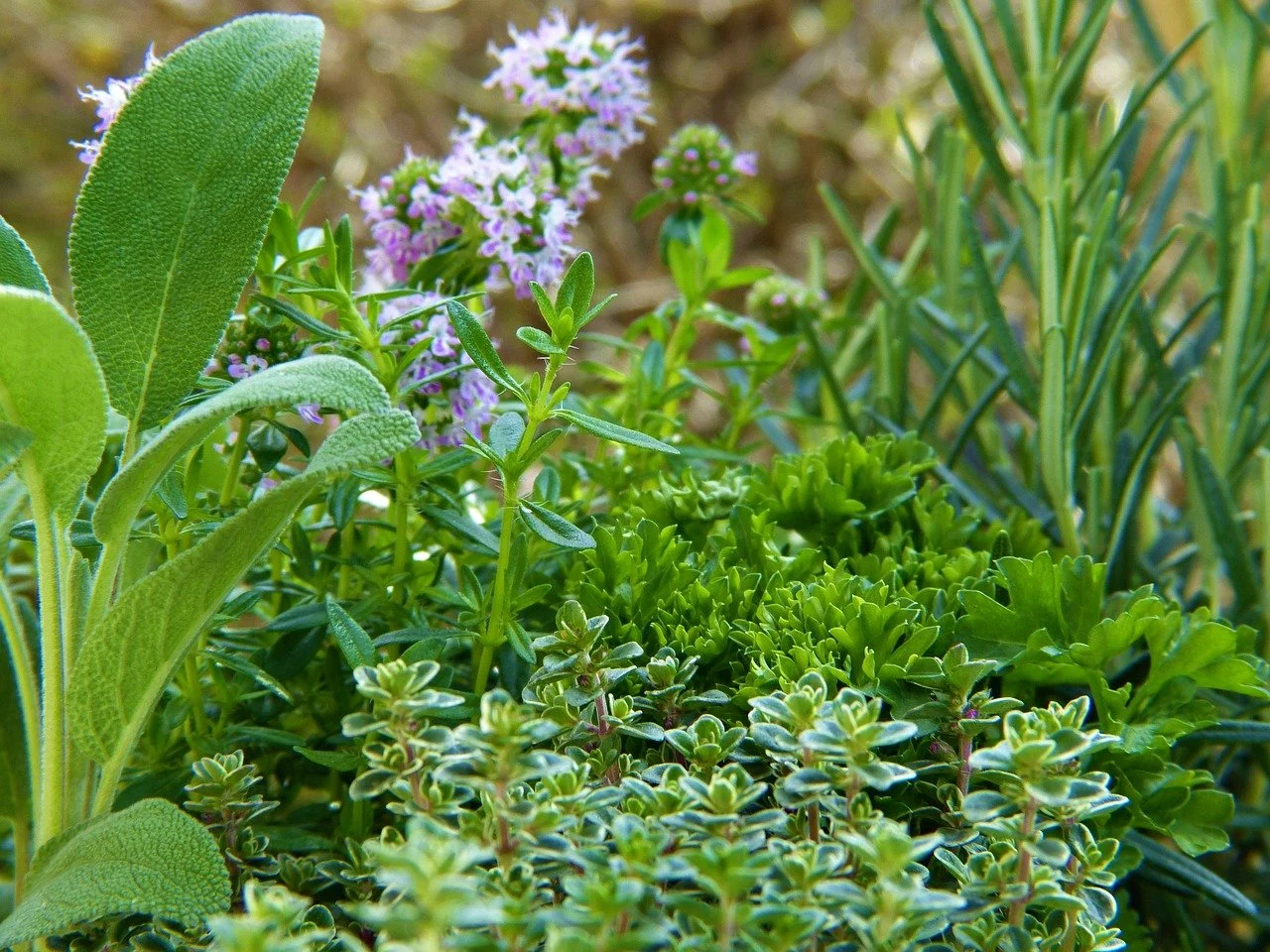
7. Thyme – Natural Antibacterial Herb
Thyme has powerful antibacterial and antimicrobial properties.
Health Benefits
Thyme may help:
Support respiratory health
Relieve coughs
Fight bacteria
How to Use It
Thyme can be used in:
Herbal teas
Natural cough remedies
Cooking and herbal infusions
Growing Tips
Thyme prefers sunny conditions and well-drained soil.
8. Sage – The Ancient Healing Herb
Sage has been valued in herbal medicine for centuries.
Health Benefits
Sage may help:
Improve cognitive function
Reduce inflammation
Support immune health
How to Use It
Sage is often used in:
Herbal teas
Gargles for sore throat
Culinary dishes
Growing Tips
Sage is drought tolerant and thrives in sunny garden environments.
9. Holy Basil (Tulsi) – Adaptogenic Wellness Herb
Holy basil, also called Tulsi, is a revered medicinal herb known for its ability to help the body manage stress.
Health Benefits
Tulsi may help:
Reduce stress
Improve energy levels
Support immune health
Promote overall balance
Growing Tips
Tulsi grows well in warm temperatures and sunny areas.
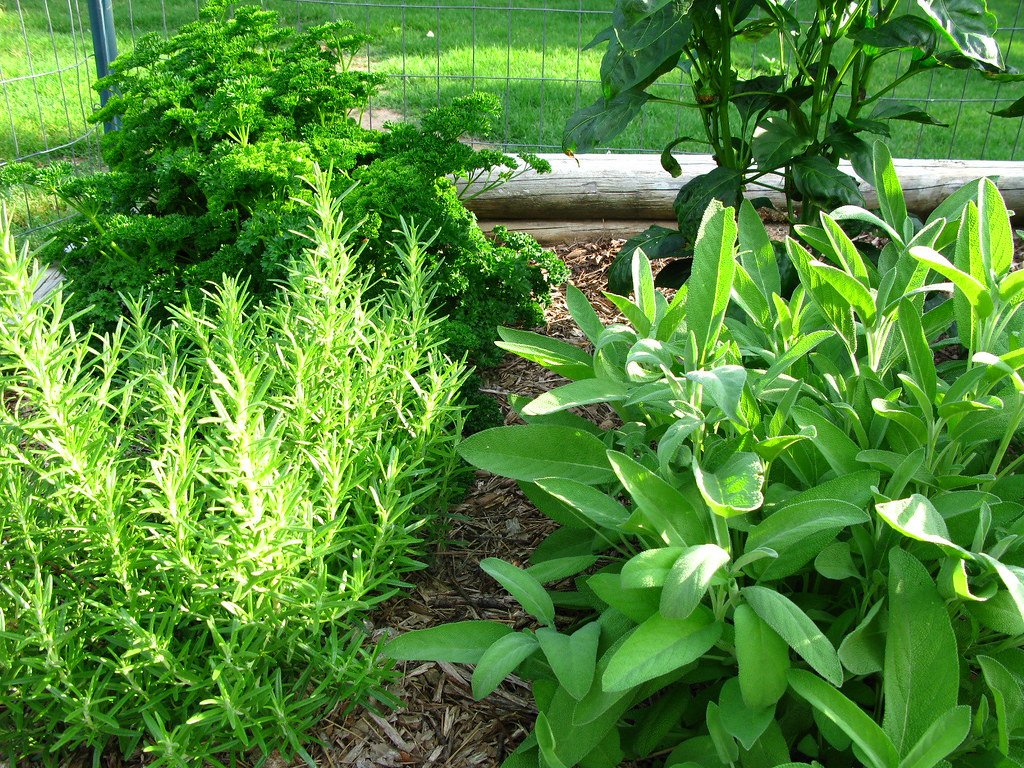
10. Yarrow – Traditional Healing Plant
Yarrow has been used historically for wound healing and inflammation support.
Health Benefits
Yarrow may help:
Support wound healing
Reduce inflammation
Improve digestion
Growing Tips
Yarrow is a very hardy plant and grows well in most environments.
How to Start a Medicinal Herb Garden (Step-by-Step)
Starting your own herbal garden is easier than you might think.
Step 1: Choose the Right Herbs
Start with beginner-friendly herbs like:
Chamomile
Peppermint
Lemon balm
Lavender
Step 2: Find a Sunny Location
Most herbs need 6–8 hours of sunlight daily.
Step 3: Use Containers or Garden Beds
Herbs grow well in:
Pots
Raised beds
Small garden plots
Step 4: Water and Maintain Regularly
Herbs require moderate watering and basic care.
The Easiest Way to Start Your Herbal Garden
If you're new to gardening, choosing the right herbs, seeds, and supplies can feel overwhelming.
That’s why many beginners prefer starting with a complete herbal growing system that includes everything needed to grow multiple medicinal herbs at home.
The Medicinal Garden Kit was designed specifically for beginners and includes:
Multiple medicinal herb seeds
Growing supplies or containers
A detailed planting guide
Instructions for harvesting and using herbs
This makes it much easier to start your own backyard herbal pharmacy without needing prior gardening experience.
See what’s included in the Medicinal Garden Kit and start growing your own medicinal herbs today.
Final Thoughts
Growing medicinal herbs at home is one of the most practical and rewarding ways to support natural wellness.
Even a small herb garden can provide:
Fresh herbal teas
Natural remedies
Stress relief
Immune support
A deeper connection with nature
Many of these herbs are incredibly easy to grow, making them perfect for beginners.
If you want the simplest way to get started, a ready-to-use system like the Medicinal Garden Kit can help you grow multiple healing herbs with minimal effort.
Take a look at the Medicinal Garden Kit and start building your own natural medicine garden today.