How to Build a Resilient Homestead on a Small Budget
Building a resilient homestead doesn’t require hundreds of acres, heavy machinery, or a massive bank account. What it does require is strategy, patience, and a willingness to learn practical skills that increase your independence over time.
If you’ve ever dreamed of growing your own food, reducing your utility bills, and becoming less dependent on fragile supply chains—but felt held back by budget constraints—this guide is for you.
And if you’re serious about doing this the smart way, one of the most practical step-by-step resources available is The Self-Sufficient Backyard by Ron Melchiore and Johanna Melchiore. We’ll reference key principles from their approach throughout this guide.
Let’s break down exactly how to build a resilient homestead without draining your savings.
What Does “Resilient” Really Mean?
A resilient homestead can:
Produce food consistently
Minimize dependency on outside systems
Withstand economic or supply disruptions
Operate affordably and sustainably
Adapt to challenges (weather, pests, price spikes)
Resilience is not about perfection. It’s about redundancy, practicality, and systems that support each other.
And the good news? Resilience is built in layers—meaning you can start small and grow over time.
Step 1: Start With a Realistic Plan (Not a Shopping List)
Most beginners overspend because they buy equipment before they understand their land and goals.
Instead of asking:
“What should I buy?”
Ask:
“What problems am I solving?”
Start by assessing:
Yard size
Sun exposure
Soil quality
Water access
Local climate
HOA or zoning restrictions
Then prioritize essentials:
Food production
Water security
Soil health
Waste recycling
Energy reduction
The Melchiores emphasize starting small, observing your environment, and expanding intentionally rather than impulsively.
Pro tip: Sketch your property and identify high-sun zones, shaded areas, and water flow patterns before building anything.
Step 2: Grow High-Calorie, High-Value Food First
When money is tight, focus on crops that:
Produce heavily
Store well
Replace expensive grocery items
Grow easily in your climate
Budget-Friendly Staples to Start With
Potatoes
Sweet potatoes
Beans
Zucchini
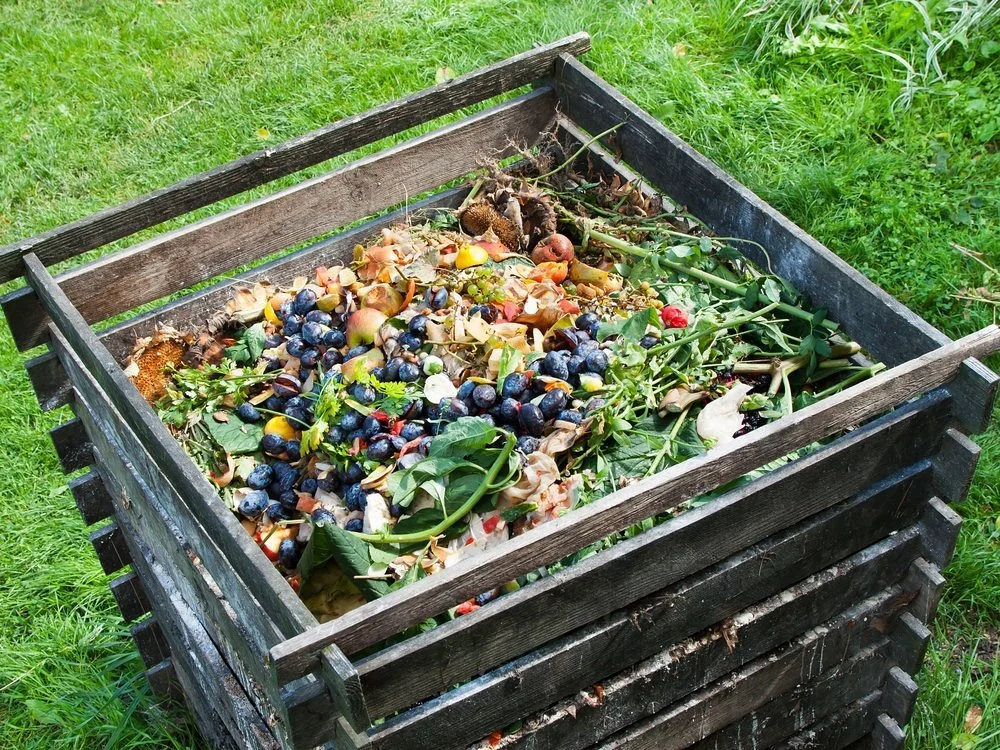
Tomatoes
Leafy greens
Garlic
Onions
These crops give high returns for minimal investment.
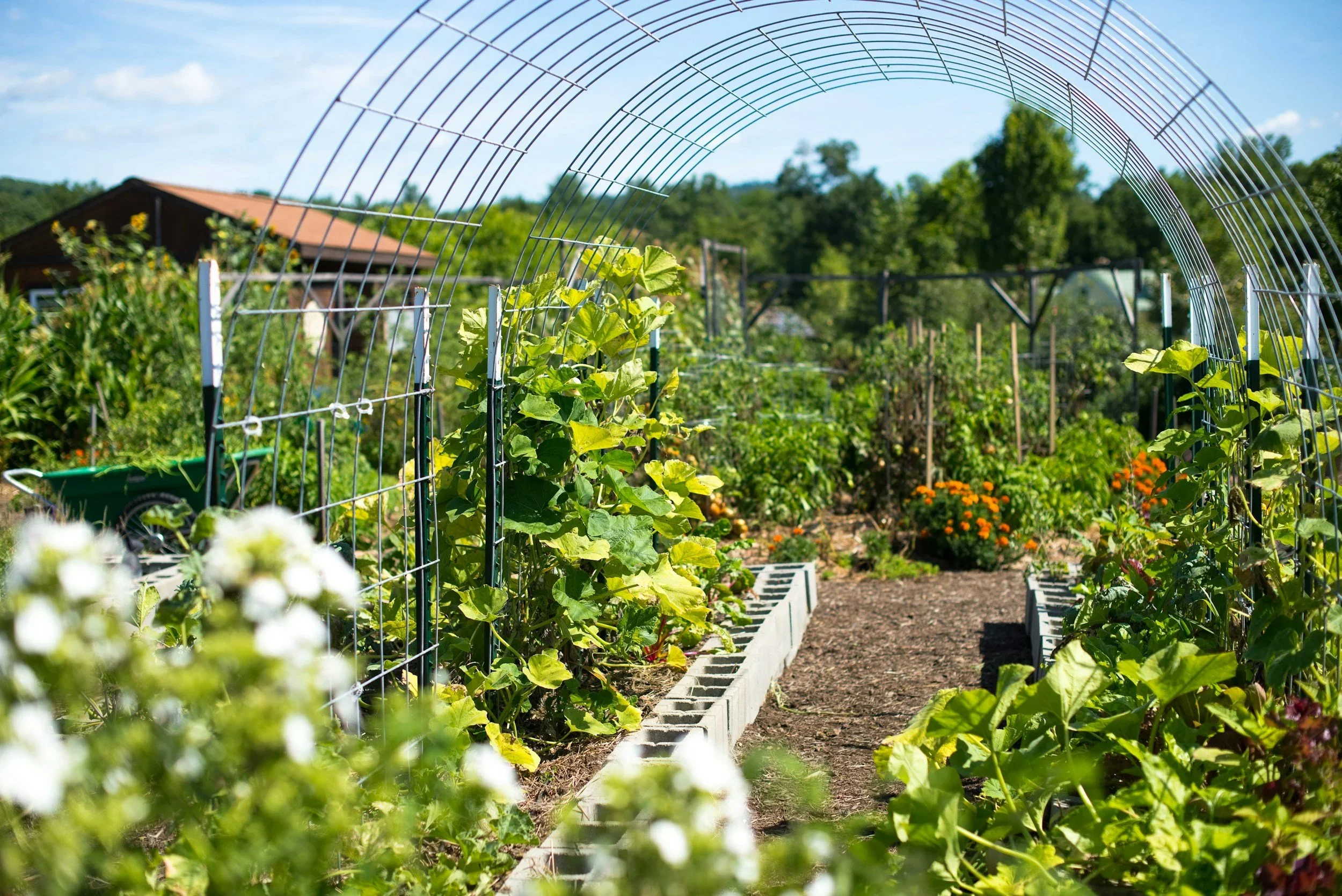
You don’t need fancy raised beds. You can:
Convert lawn space
Use sheet mulching
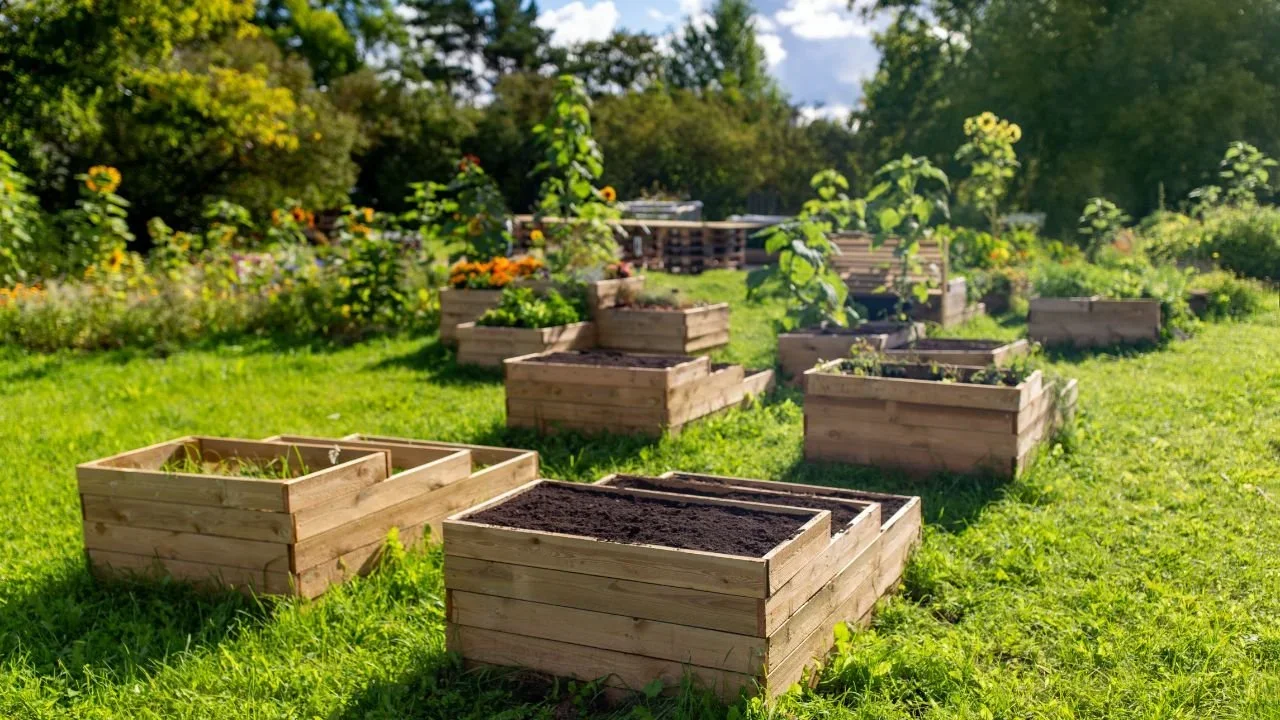
Build beds from reclaimed wood
Plant directly in amended soil
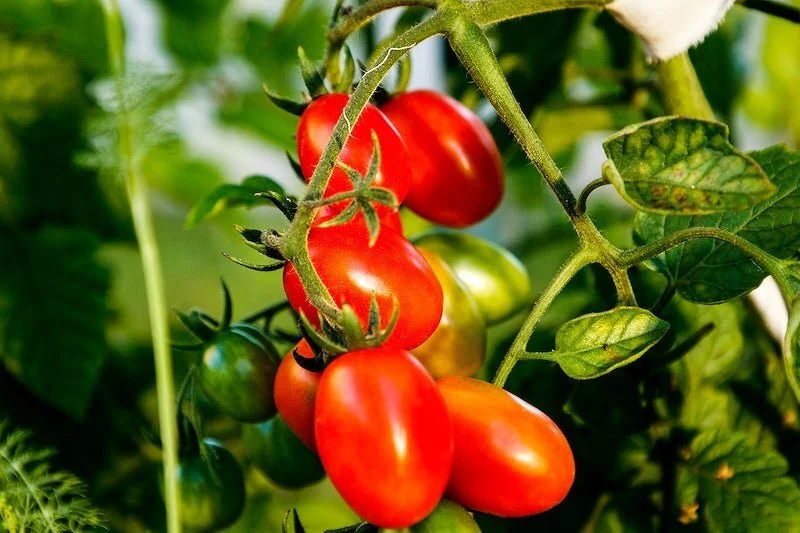
Compost is your secret weapon. It reduces fertilizer costs and improves soil long-term.
In The Self-Sufficient Backyard, Ron and Johanna show how even small suburban yards can produce surprising quantities of food when managed efficiently.
Step 3: Build Soil Instead of Buying Inputs
Healthy soil reduces:
Water use
Fertilizer costs
Pest issues
Crop failures
Instead of purchasing expensive soil blends:
Use These Low-Cost Soil Builders
Kitchen scraps compost
Grass clippings
Leaves (free each fall!)
Cardboard sheet mulching
Manure from local farms
Coffee grounds
Healthy soil becomes more productive every year. That’s resilience.
The Melchiores stress that soil building is the foundation of everything else. Once your soil thrives, your homestead costs drop dramatically.
Step 4: Water Is Security
Water resilience is often overlooked until there’s a drought or restriction.
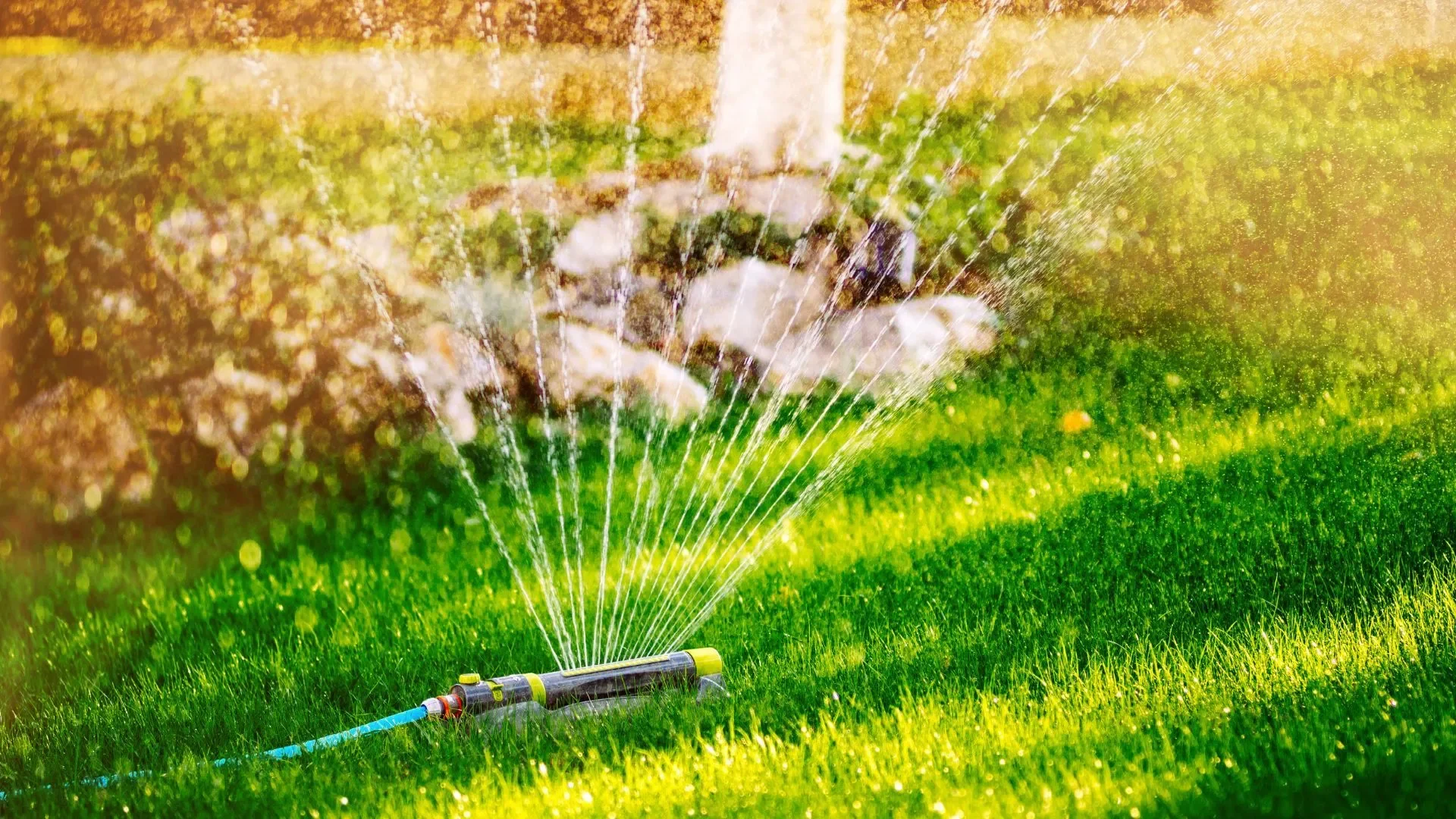
Affordable water strategies:
Rain barrels
Mulching heavily to reduce evaporation
Drip irrigation
Swales for water retention
Greywater reuse (where legal)
Rain collection systems can be built cheaply using food-grade barrels and gutter redirection.
Water + mulch = reduced watering frequency by up to 50%.
That means lower bills and less dependency on municipal systems.
Step 5: Add Small Livestock (When Ready)
Animals multiply productivity—but only after you’ve mastered plants.
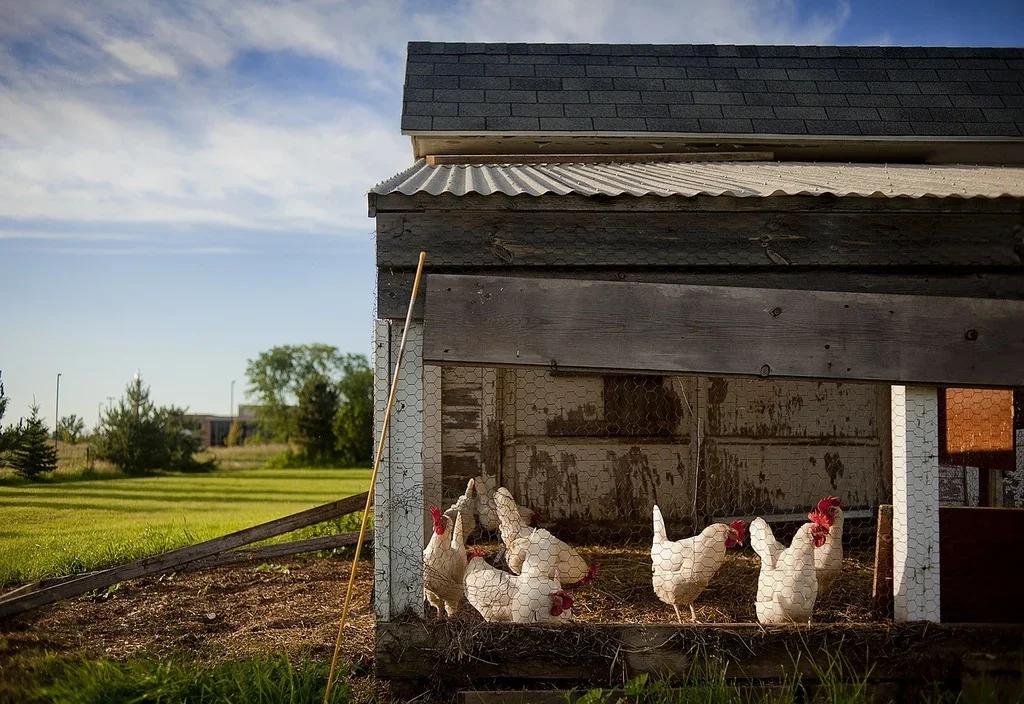
Chickens are often the best first step:
Eggs
Manure
Pest control
Meat (optional)
Start with 3–6 birds.
Feed costs can be offset by:
Kitchen scraps
Garden waste
Black soldier fly larvae
Foraging
Rabbits are another low-cost, quiet option for meat production in small spaces.
The key principle from Ron and Johanna’s system:
Add animals only when you can support them sustainably.
Don’t create a new expense before your systems can carry it.
Step 6: Reduce Expenses Before Increasing Production
A resilient homestead isn’t just about producing more—it’s also about needing less.
Here are practical budget-saving upgrades:
Line-dry clothes
Install low-flow showerheads
Improve insulation
Cook from scratch
Preserve seasonal produce
Repair instead of replace
Every dollar saved increases resilience.
In fact, many homesteaders build financial resilience faster by cutting expenses than by increasing production.
Step 7: Learn Preservation Skills
Growing food is only half the equation.
To maximize value, learn:
Water bath canning
Pressure canning
Dehydrating
Fermenting
Root cellaring
Food preservation prevents waste and stabilizes your food supply year-round.
This is where The Self-Sufficient Backyard really shines—it walks through realistic preservation strategies for small-scale setups without expensive equipment overload.
Step 8: Build Redundancy Into Your Systems
Resilience = backups.
Examples:
Grow multiple crop varieties
Have two water sources
Store seeds
Compost in more than one pile
Plant perennials and annuals
If one crop fails, another succeeds.
If one water method falters, another works.
Redundancy protects your effort.
Step 9: Avoid the Biggest Budget Mistakes
Here are the most common costly errors:
Buying expensive tools immediately
Start with the basics and upgrade later.
Building elaborate infrastructure too early
Test ideas before committing money.
Ignoring soil
Poor soil leads to repeated failure.
Overcommitting
Start manageable. Burnout kills homesteads.
Trying to copy someone with different land
Your climate and layout matter.
Ron and Johanna’s approach stands out because it’s realistic. They built their system step by step, focusing on sustainability over aesthetics.
Step 10: Think Long-Term (3–5 Year Vision)
A resilient homestead grows over time.
Year 1:
Garden beds
Compost system
Rain collection
Year 2:
Expand garden
Add chickens
Begin preservation
Year 3–5:
Perennials
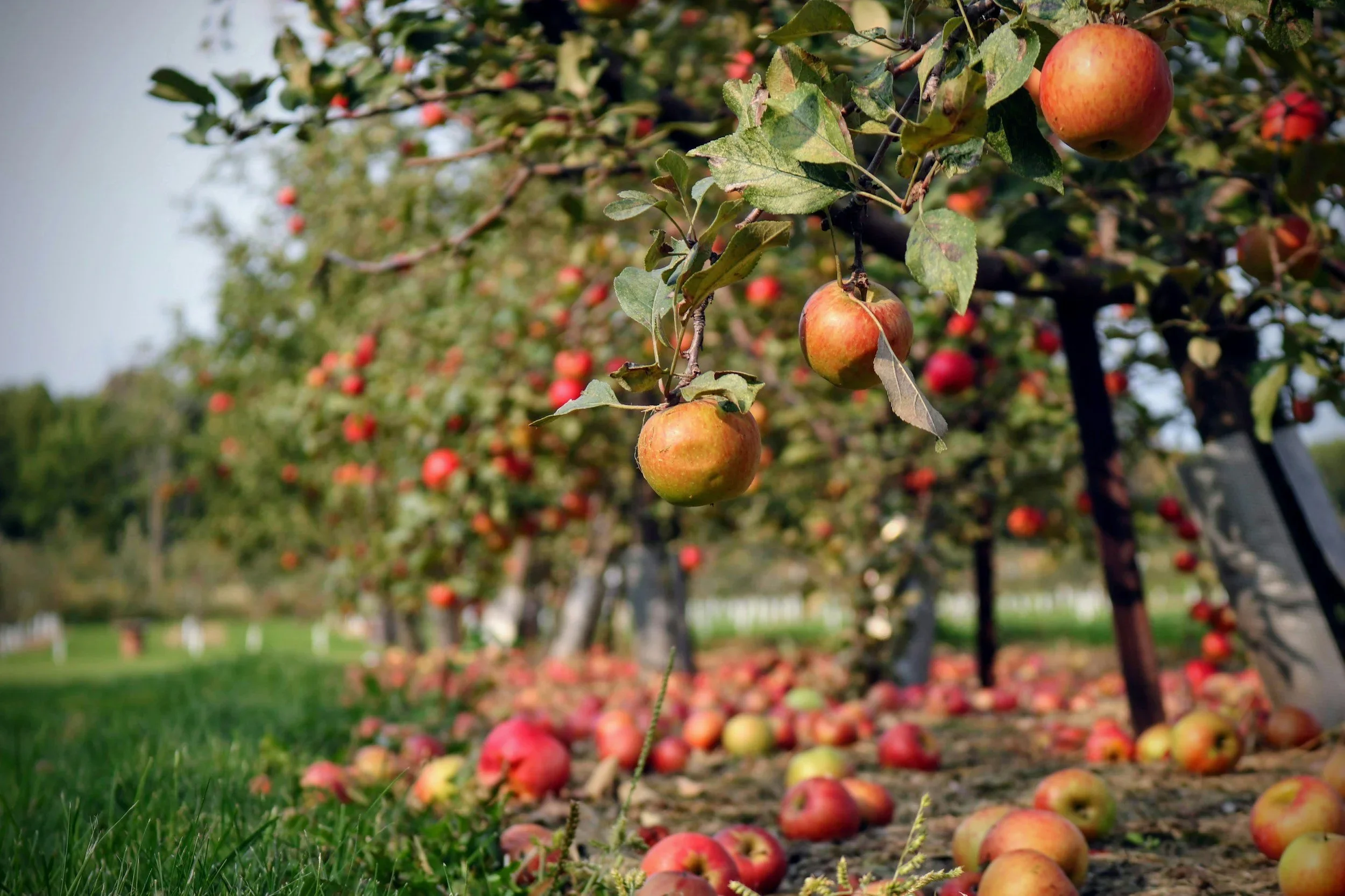
Fruit trees
Expanded water storage
Energy efficiency upgrades
This phased approach spreads costs and reduces overwhelm.
Why “The Self-Sufficient Backyard” Is a Smart Investment
There’s a big difference between random online tips and a cohesive system.
The Self-Sufficient Backyard by Ron Melchiore and Johanna Melchiore stands out because:
It focuses on small-scale practicality
It avoids unrealistic homesteading fantasies
It emphasizes affordability
It teaches system design, not just gardening tips
It’s written from lived experience
If you’re serious about building a resilient homestead without wasting money on trial and error, this book can shorten your learning curve dramatically.
Ready to build your resilient backyard step by step?
Check out The Self-Sufficient Backyard and start turning your yard into a reliable food-producing system today.
Final Thoughts: Resilience Is Built, Not Bought
You don’t need:
20 acres
Expensive greenhouses
Fancy equipment
A massive budget
You need:
A plan
Soil
Water
Consistency
Practical skills
Start small. Improve yearly. Focus on systems.
Resilient homesteads aren’t created overnight—but every compost pile, seed planted, and skill learned moves you closer to independence.
And if you want a realistic, experience-based roadmap for making it happen, The Self-Sufficient Backyard by Ron and Johanna Melchiore is one of the most actionable guides available for budget-conscious beginners.
Your resilient homestead doesn’t start with money.
It starts with intention—and the next small step you take today.