Beginner’s Guide to Canning, Freezing, and Dehydrating Food
Preserving food is one of the most practical skills you can learn for resilient living. Whether your goal is to save money, reduce waste, eat better, or build long-term food security, knowing how to preserve food safely gives you options—and peace of mind.
If you’re new to food preservation, it can feel overwhelming. Canning jars, pressure canners, freezer rules, dehydrators… where do you even start?
This guide breaks down the three most accessible food preservation methods—canning, freezing, and dehydrating—so you can choose what fits your lifestyle, space, and goals. You don’t need to do everything at once. Even mastering one method puts you miles ahead.
Why Food Preservation Matters for Resilient Living
Food preservation isn’t just an old-fashioned skill—it’s a modern survival advantage.
When you preserve food at home, you:
Reduce dependence on grocery stores
Protect yourself from price spikes and shortages
Control ingredients and nutrition
Waste less food
Build confidence in your ability to provide
Many resilient families don’t stockpile overnight. They preserve a little at a time, using seasonal produce, sales, or garden harvests. Over time, that pantry becomes a powerful safety net.
Method #1: Canning Food (Shelf-Stable Security)
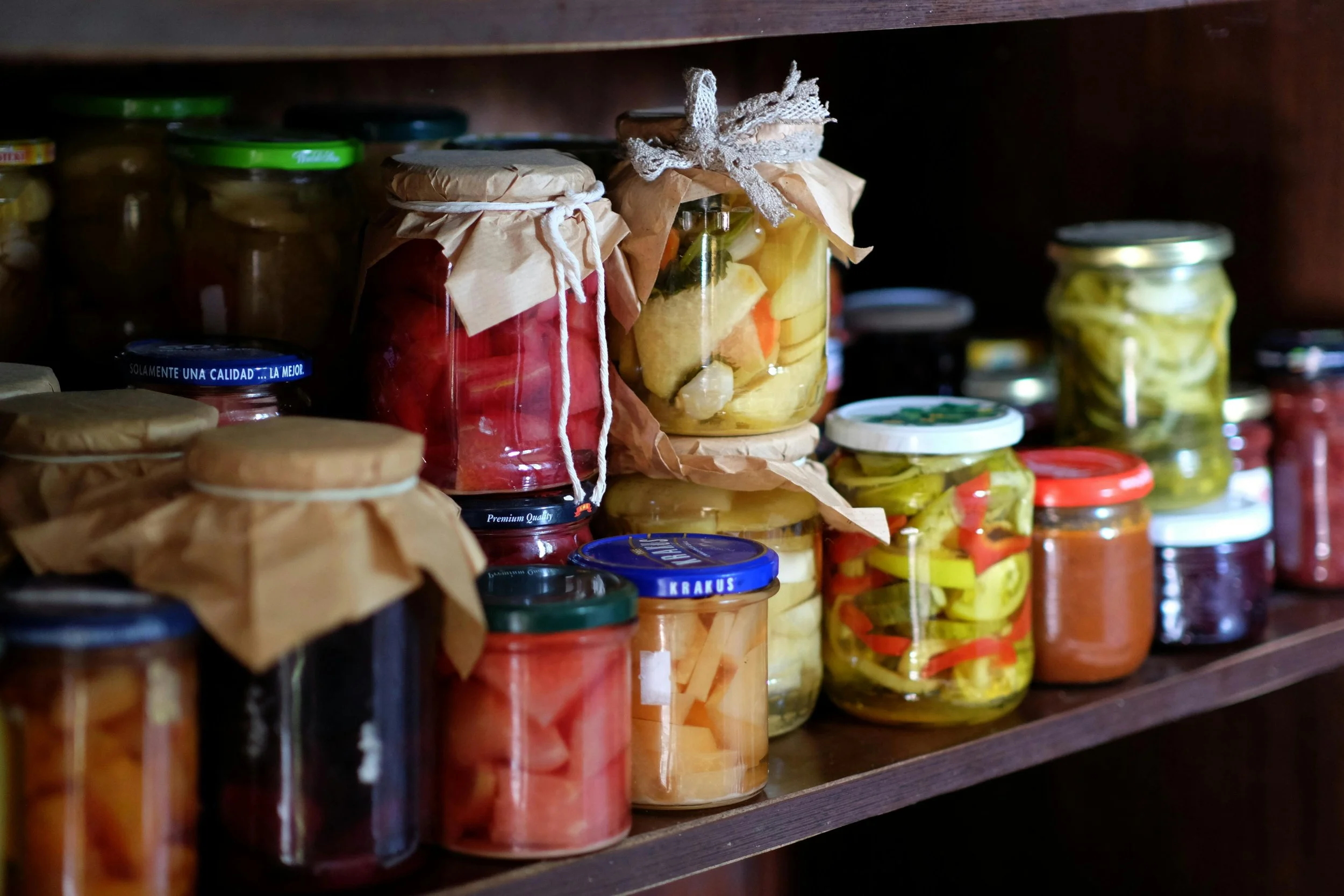
Canning allows you to store food safely at room temperature for months or even years. It’s ideal for soups, sauces, fruits, vegetables, meats, and complete meals.
Types of Canning
Water Bath Canning
Used for high-acid foods (fruits, jams, pickles, tomatoes with added acid)
Requires a large pot and canning jars
More beginner-friendly
Pressure Canning
Required for low-acid foods (vegetables, meats, beans, soups)
Uses a pressure canner to reach safe temperatures
Essential for long-term food security
If you want true independence from refrigeration, pressure canning is one of the most valuable skills you can learn.
Pros of Canning
Long shelf life
No electricity needed after sealing
Excellent for complete meals
Great for emergencies
Cons
Requires equipment upfront
More time-intensive
Safety rules must be followed precisely
Beginner Tips for Canning
Start with tested recipes only
Label every jar with contents and date
Don’t rush—safety matters more than speed
Begin with fruits or jams to build confidence
Method #2: Freezing Food (Fast and Flexible)
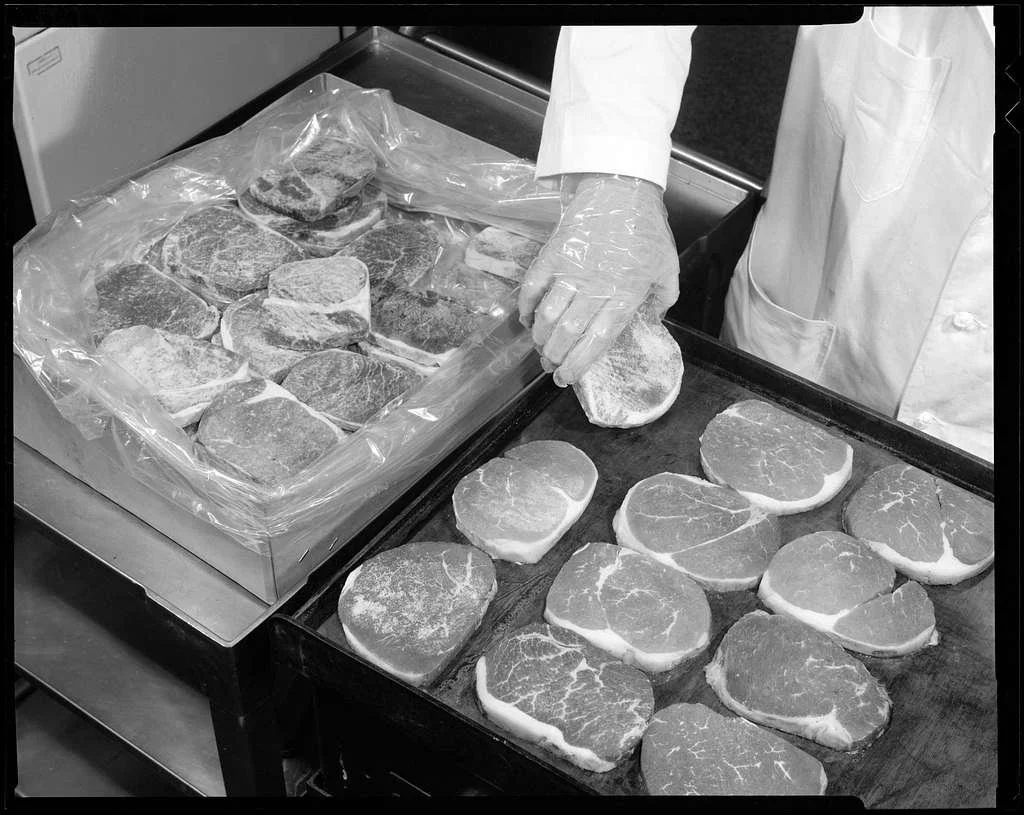
Freezing is often the gateway method for beginners because it’s simple and forgiving.
You can freeze:
Vegetables and fruits
Meat and fish
Bread and baked goods
Soups, stews, and leftovers
Herbs and broths
Pros of Freezing
Minimal learning curve
Preserves flavor and nutrition well
Quick processing time
No special equipment beyond a freezer
Cons
Dependent on electricity
Limited storage space
Freezer burn if not packaged properly
Beginner Tips for Freezing
Use airtight containers or freezer bags
Remove as much air as possible
Label and rotate regularly
Freeze in meal-sized portions
Freezing is excellent for short to medium-term food storage, especially if you’re just starting out.
Method #3: Dehydrating Food (Lightweight & Long-Lasting)
Dehydrating removes moisture, preventing spoilage and dramatically extending shelf life. This method is ancient, reliable, and incredibly space-efficient.
Common dehydrated foods include:
Fruits and vegetables
Herbs
Jerky
Mushrooms
Cooked grains and meals
Pros of Dehydrating
Long shelf life when stored properly
Lightweight and compact
Can be done with or without electricity
Great for snacking and travel
Cons
Some texture changes
Requires patience
Needs proper storage afterward
Beginner Tips for Dehydrating
Slice food evenly for consistent drying
Store in airtight containers with oxygen absorbers
Keep away from heat and light
Start with apples, bananas, or herbs
For long-term resilience, dehydrating pairs exceptionally well with nutrient-dense foods that can be rehydrated later.
Which Method Should You Start With?
You don’t need to master all three.
Ask yourself:
Do I want shelf-stable food? → Canning
Do I want fast and easy? → Freezing
Do I want compact, long-term storage? → Dehydrating
Many resilient households use a combination:
Freeze what you’ll eat soon
Can what you want shelf-stable
Dehydrate what needs to last the longest
Progress beats perfection.
The Importance of Nutrient-Dense Foods
Preserving food isn’t just about calories—it’s about nutrition.
In uncertain times, foods rich in vitamins, minerals, fats, and proteins matter more than empty fillers. This is where many people unknowingly fall short: they store food, but not nutrient-dense food.
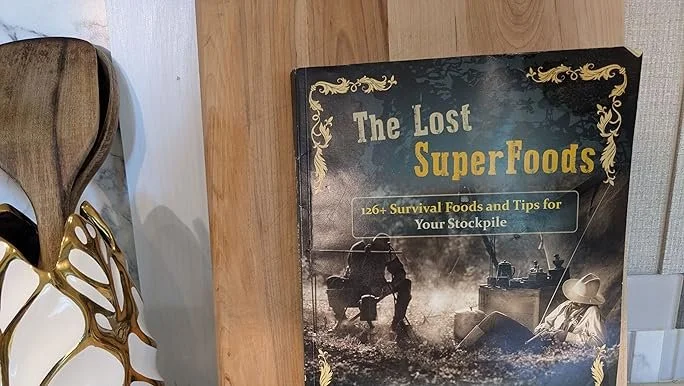
One resource that does an excellent job explaining this is The Lost SuperFoods by Claude Davis. It dives into forgotten, highly nutritious foods our ancestors relied on during hard times—and how to prepare and preserve them today.
If you’re serious about building a resilient pantry, understanding which foods offer the most nutritional value is just as important as knowing how to preserve them.
You can explore The Lost SuperFoods here to learn which foods truly sustain you when it matters most.
Common Beginner Mistakes to Avoid
Trying to preserve too much at once
Skipping labels and dates
Ignoring food safety guidelines
Storing food without a rotation plan
Focusing on quantity over quality
Resilient living is built slowly. Small, consistent wins matter more than overloading yourself and burning out.
How to Build a Simple Preservation Routine
Here’s a realistic approach:
Pick one method
Preserve one type of food
Do it once a month
Improve as you go
Over a year, you’ll build skills, confidence, and a pantry that supports your family—without stress.
Final Thoughts: Preservation Is Peace of Mind
Food preservation isn’t about fear. It’s about freedom.
Knowing you can feed yourself—even when stores are empty or prices spike—changes how you move through the world. Canning, freezing, and dehydrating are tools that help you take responsibility for your well-being in a calm, practical way.
And when you pair preservation skills with knowledge of lost, nutrient-dense superfoods, you’re not just storing food—you’re storing resilience.
If you want to go deeper, The Lost SuperFoods by Claude Davis is a powerful next step for anyone serious about long-term food security and self-reliance.
