Why “Old-Fashioned” Foods Are Making a Comeback

For years, “old-fashioned” food was treated like something to outgrow. Modern diets promised convenience, efficiency, and endless choice, while traditional foods were quietly labeled outdated, inconvenient, or unnecessary. But something has shifted.
Across homesteading communities, wellness circles, and preparedness-minded households, people are looking backward again — not out of nostalgia, but out of necessity. Foods that once sustained families through wars, depressions, and long winters are reappearing in conversations about health, resilience, and food security.
So why now? And what do these forgotten foods offer that modern systems don’t?
The Cracks in Modern Convenience
Modern food systems are impressive, but they are also fragile. Most people don’t realize how many steps stand between a farm and a grocery shelf — or how easily that chain can be disrupted. Transportation delays, labor shortages, climate events, and economic instability have made food access feel less guaranteed than it once did.
At the same time, many are questioning whether ultra-processed convenience foods are actually serving long-term health. Chronic illness, nutrient deficiencies, and metabolic issues have become increasingly common, even in societies with abundant food.
Old-fashioned foods — the kind that were grown locally, preserved intentionally, and eaten seasonally — offer a different model altogether. One that prioritizes nourishment, durability, and self-reliance over speed and novelty.
What “Old-Fashioned” Really Means
When people talk about old-fashioned foods, they’re not just talking about recipes from a dusty cookbook. They’re referring to entire food traditions that existed before industrial processing became the norm.
These foods were often:
Grown or gathered locally
Naturally shelf-stable or preserved without chemicals
Nutrient-dense by necessity
Adapted to specific climates and seasons
Designed to sustain people through scarcity
Think root vegetables stored in cellars, fermented foods bubbling on kitchen counters, dried meats and fruits hanging from rafters, grains that could be stored for years, and wild plants that returned reliably each season.
These weren’t trendy “superfoods.” They were survival foods — trusted, tested, and deeply understood.

Nutrient Density Over Empty Calories
One of the biggest reasons traditional foods are making a comeback is their nutritional value. Many old-fashioned foods are far more nutrient-dense than their modern counterparts.
Before supplements and fortified products existed, people relied on real foods to meet their nutritional needs. Organ meats, bone broths, fermented vegetables, whole grains, seeds, and wild plants all played a role in maintaining health.
Modern processing often strips foods of fiber, minerals, and enzymes, replacing them with additives designed to extend shelf life or improve flavor. Traditional food preparation methods — soaking, fermenting, slow cooking — did the opposite. They made nutrients more available and easier to absorb.
It’s no surprise that people seeking better health are rediscovering these methods and foods.
Preservation Was a Skill, Not a Product
Today, food preservation usually means buying something already preserved. In the past, preservation was an essential life skill.
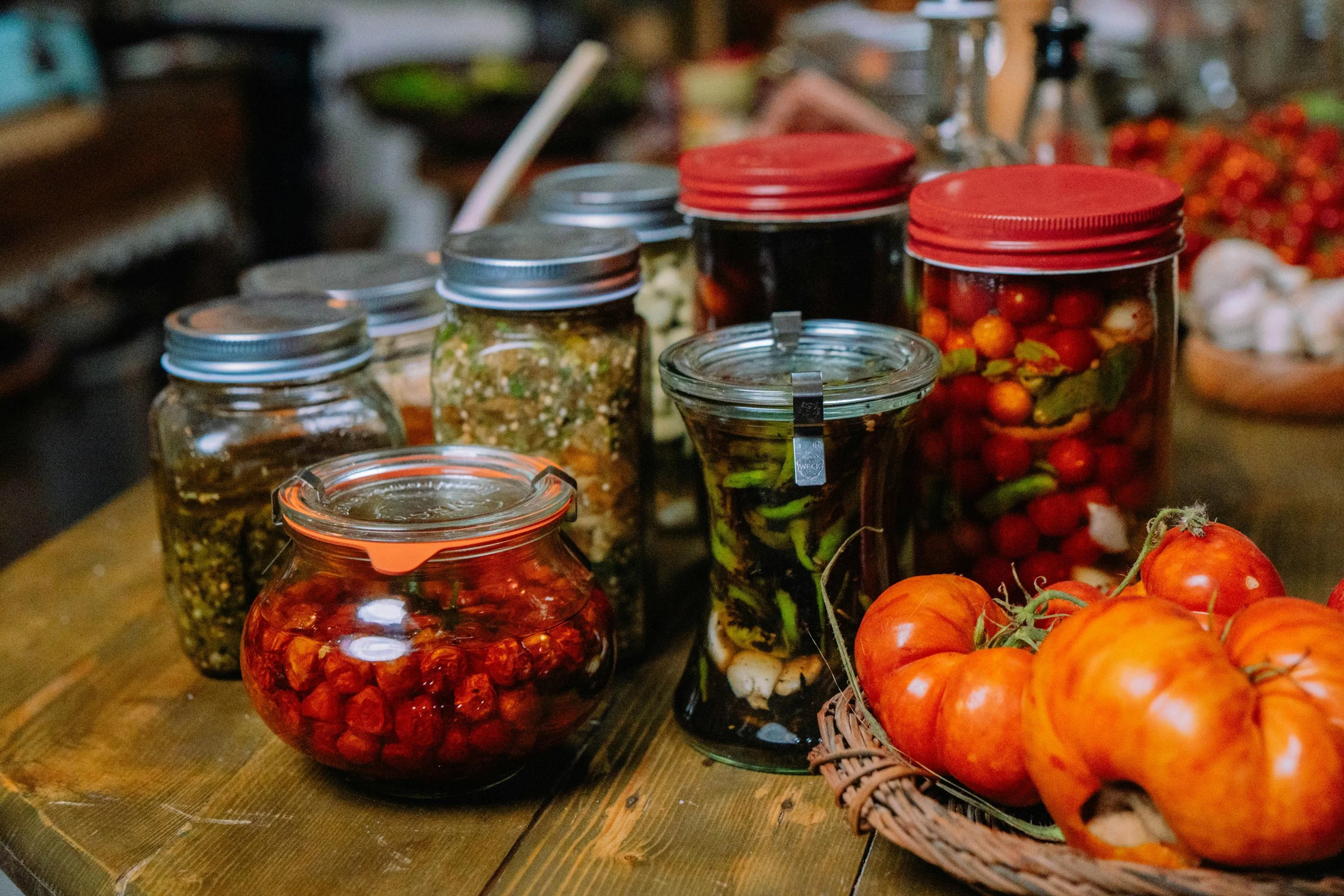
Drying, fermenting, smoking, curing, and storing foods in cool, dark places allowed families to eat well year-round without refrigeration. These methods didn’t require electricity or modern packaging — just knowledge, patience, and seasonal awareness.
As interest in self-reliance grows, so does curiosity about how people preserved food long before freezers and preservatives. Many are realizing that knowing how to preserve food is just as important as knowing where food comes from.
This is where resources like The Lost Superfoods by Claude Davis often come up in conversations. The book explores many traditional foods and preservation methods that were once common knowledge, highlighting how earlier generations managed long-term nourishment without modern infrastructure.
Food Security in an Uncertain World
Old-fashioned foods aren’t just about health — they’re about security.
Foods that can be grown easily, harvested repeatedly, or stored for long periods offer peace of mind. When grocery prices rise or availability changes, having knowledge of reliable, resilient foods becomes invaluable.
Historically, communities survived hard times by diversifying their food sources. They didn’t rely on a single crop or a single supplier. Wild foods supplemented gardens. Preserved foods bridged seasons. Simple staples formed the foundation of daily meals.
This approach is increasingly relevant again. People aren’t necessarily expecting disaster, but they are recognizing the value of preparedness and adaptability.
The Return of Seasonal Eating
Another reason old-fashioned foods are reappearing is the growing appreciation for seasonal eating.
Traditional diets were naturally aligned with the land. Fresh foods were eaten when they were available, and preserved foods filled the gaps. This rhythm supported both human health and environmental sustainability.
Modern food systems allow strawberries in winter and tomatoes year-round, but at a cost — to flavor, nutrition, and ecological balance. Seasonal eating encourages variety over time and reduces dependence on long-distance supply chains.
Many who embrace old-fashioned foods find that eating seasonally reconnects them to nature, local farmers, and their own bodies.
Cultural Memory and Lost Knowledge
For many families, old-fashioned foods aren’t abstract concepts — they’re memories.
A grandparent’s soup made from bones and garden vegetables. Fermented cabbage stored in crocks. Simple breads baked weekly. These foods carried cultural knowledge that was passed down informally, often without written instruction.
As generations moved away from rural living and into industrialized food systems, much of this knowledge was lost. Today’s resurgence is, in part, an effort to reclaim that cultural memory.
Books, workshops, and community knowledge-sharing are helping bridge the gap. People are learning not just what to eat, but why these foods mattered — and still do.
Old-Fashioned Doesn’t Mean Anti-Modern
It’s important to note that embracing traditional foods doesn’t require rejecting modern life. Most people aren’t abandoning grocery stores or technology altogether.
Instead, they’re integrating old wisdom with modern tools. A pressure canner replaces a wood stove. Online communities replace village elders. Digital resources make ancient knowledge widely accessible.
The goal isn’t to live in the past — it’s to build a more resilient future by learning from it.

Why This Trend Is Likely to Grow
The return of old-fashioned foods isn’t a passing fad. It’s rooted in real concerns: health, sustainability, affordability, and resilience.
As more people experience the limitations of modern convenience, they begin to seek alternatives that offer stability and nourishment. Traditional foods provide both.
They remind us that humans thrived long before modern food systems existed — not because life was easy, but because people understood how to work with nature rather than against it.
Relearning What Was Never Meant to Be Forgotten
Old-fashioned foods are making a comeback because they answer questions modern systems struggle to solve. How do we eat well without constant access to global supply chains? How do we preserve food without relying on fragile infrastructure? How do we nourish ourselves in a way that supports long-term health?
The answers aren’t new. They’ve been with us all along.
By revisiting traditional foods, preservation methods, and ancestral knowledge — through experience, community, and resources like The Lost Superfoods — people are rediscovering skills that once defined everyday life.
In a world that feels increasingly unpredictable, old-fashioned foods offer something rare: reliability.
And sometimes, moving forward means remembering what worked before.
