How to Live Off the Grid With No Money (A Realistic Step-by-Step Guide)
Living off the grid with no money sounds extreme — but for many people, it’s less about escaping society and more about cutting expenses, reducing dependence on utilities, and building real self-reliance.
The truth? You don’t need a huge savings account to start. You need a plan, practical skills, and a willingness to build slowly.
This guide walks you through exactly how to live off the grid with little to no money — legally, safely, and sustainably.
What “Off the Grid” Actually Means
Living off the grid means your home operates independently from public utilities:
No municipal electricity
No city water
No sewer connection
Minimal reliance on outside systems
For most beginners, it doesn’t mean disappearing into the wilderness. It means reducing monthly expenses and building independence step by step.
Step 1: Start Where You Are (Don’t Buy Land Yet)
One of the biggest mistakes people make is assuming they need to immediately buy remote land.
If you truly have no money, your first goal isn’t land — it’s lowering expenses and building skills.
You can begin practicing off-grid systems:
Grow food in containers or a backyard
Learn food preservation
Practice water storage
Cook without electricity
Reduce power usage
This is the foundation of homesteading — and it costs almost nothing to begin.
The people who succeed at off-grid living master skills before they move.
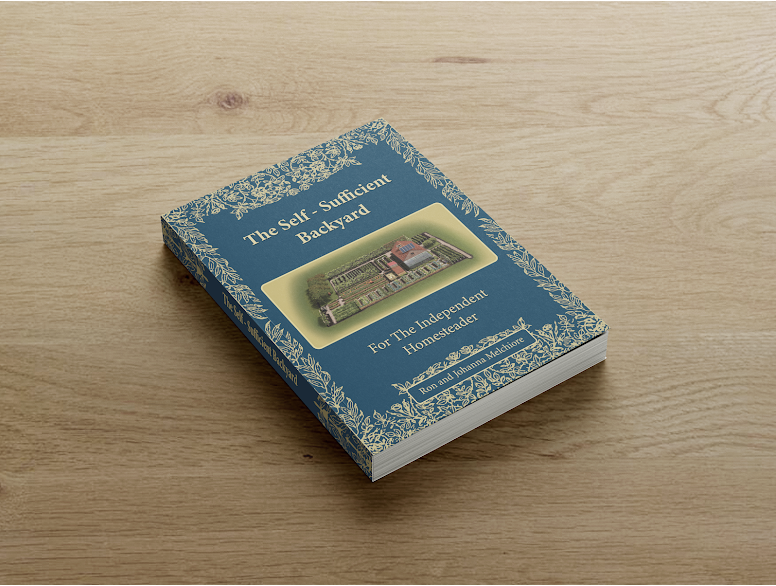
If you’re serious about building those foundational skills, The Self-Sufficient Backyard is one of the best beginner-friendly guides for turning even a small yard into a productive food system. It walks you through food, water, and simple systems without requiring expensive equipment.
Step 2: Find Free or Low-Cost Land (Legally)
You cannot legally live just anywhere. However, there are realistic low-cost options:
1. House Sitting or Caretaking
Many rural property owners need:
Land caretakers
Farm sitters
RV dwellers to monitor property
You live on-site in exchange for work.
2. Work Exchange
Platforms and local farms often trade:
Labor for housing
Labor for land access
Labor for food
This builds experience and keeps expenses near zero.
3. Rural Counties With Cheap Land
Some counties in states like:
Arkansas
New Mexico
Missouri
Offer very low property taxes and minimal building codes in certain areas.
Always check:
Zoning laws
Minimum dwelling size requirements
Water rights laws
Living off-grid is about independence — not fines.
Step 3: Shelter First (Keep It Simple)
If you’re starting with almost no money, your shelter options may include:
Used RV
Camper
Converted shed
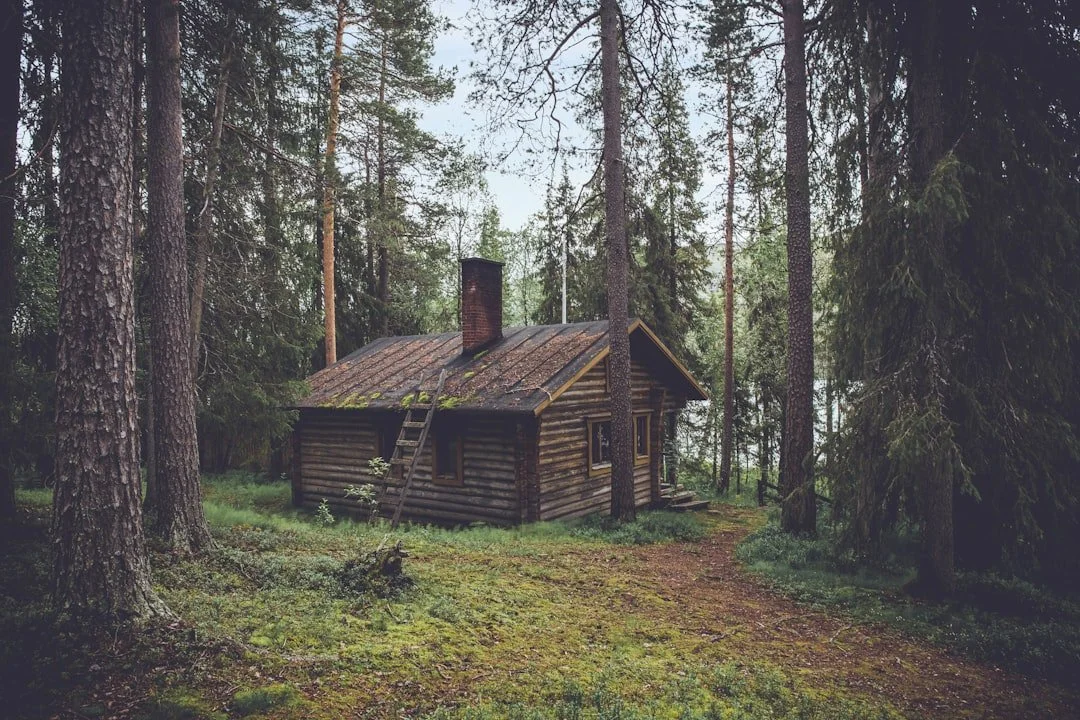
Tiny cabin built from reclaimed materials
Tent (temporary only)
Your first goal is safe, dry shelter — not a Pinterest-worthy cabin.
You can build a basic structure using:
Pallet wood
Salvaged windows
Metal roofing from surplus yards
The key principle: build small, upgrade later.
Step 4: Secure Water (Your #1 Priority)
Water is non-negotiable.
Options for off-grid water:
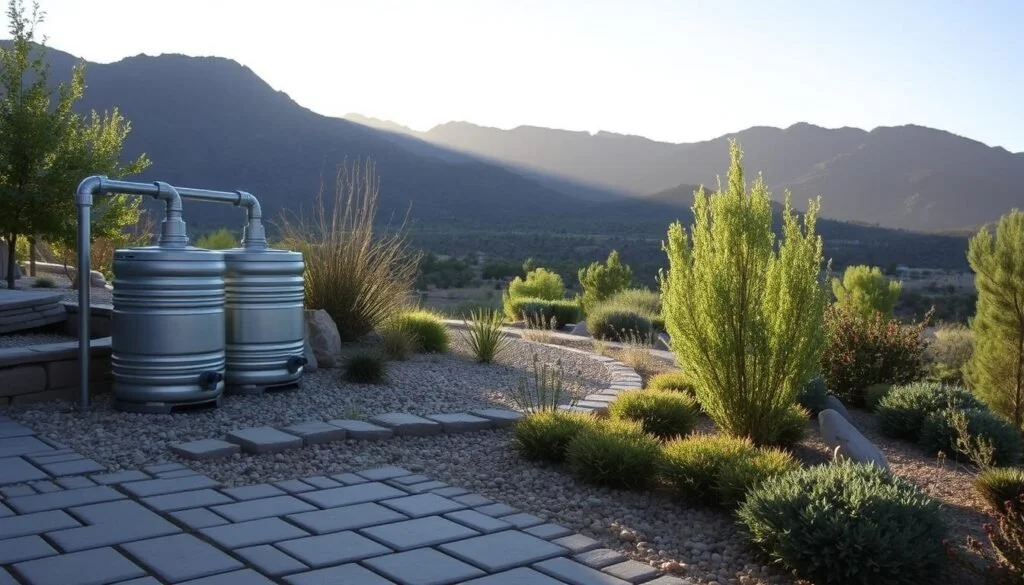
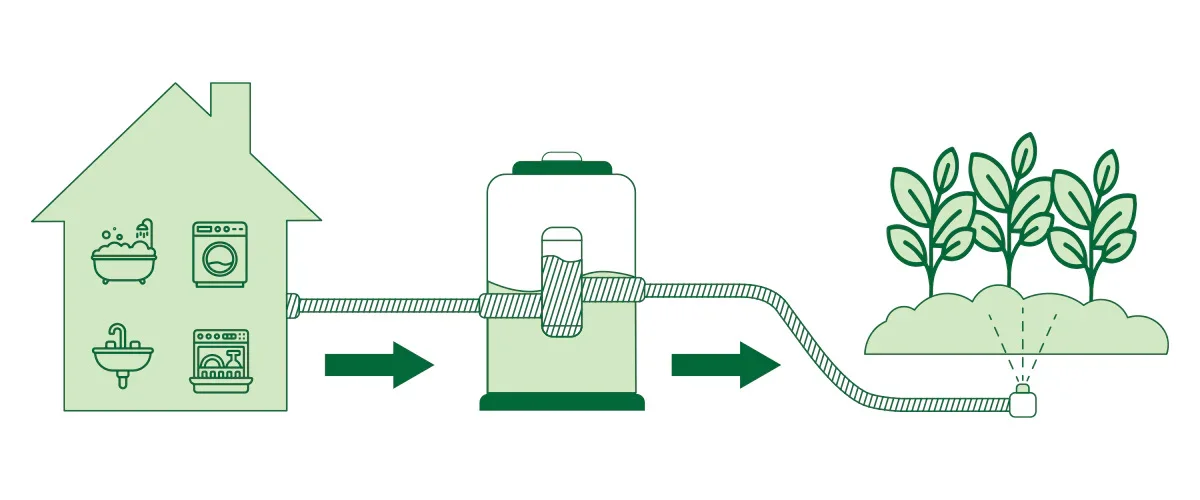
1. Rainwater Catchment
Gutters
Food-grade barrels
Gravity-fed filtration
2. Hauling Water
Transport from public fill stations
Store in large tanks
3. Shallow Well (If Allowed)
In some rural areas, shallow wells are affordable if groundwater is accessible.
Always:
Filter drinking water
Test water annually
Understand local regulations
Water security is more important than solar panels.
Step 5: Off-Grid Power With No Money
Solar systems can be expensive — but you can start small.
Option 1: Zero Electricity
Many people live with:
Propane cooking
Wood heat
Oil lamps
Rechargeable battery packs
Option 2: Small Starter Solar Kit
A basic system can power:
Phone
Laptop
LED lights
Start with:
One 100W panel
Charge controller
Deep-cycle battery
Build slowly as funds allow.
Step 6: Heat Without Utility Bills
In cold climates, heat is your biggest survival factor.
Common no-money options:
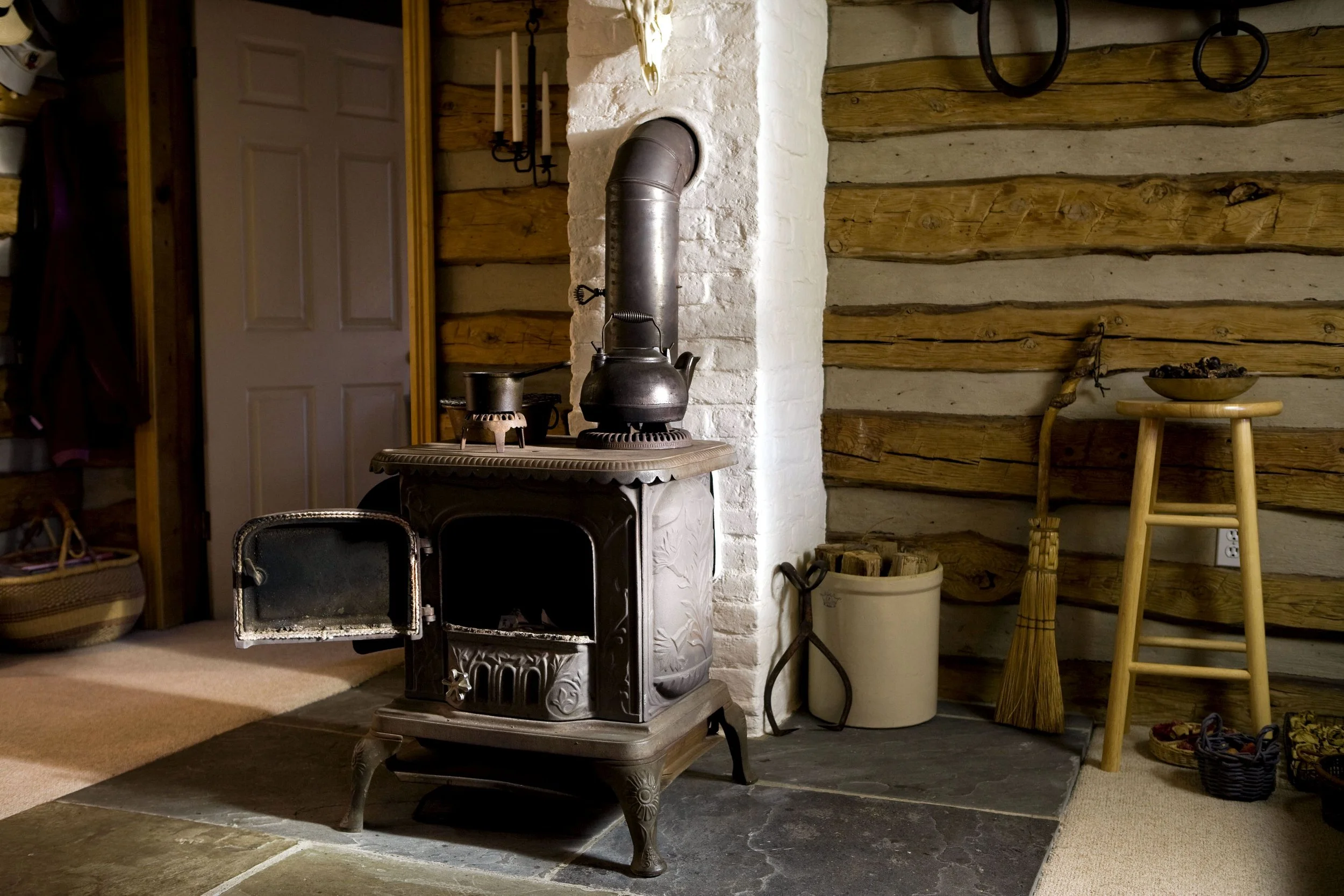
Wood stove
Rocket mass heater
Salvaged barrel stove
If you have access to wooded land, firewood can reduce heating costs dramatically.
Learn:
How to split wood
How to stack and season it
How much wood your climate requires
Step 7: Grow Food Immediately
You cannot live off the grid without producing food.
Start with high-calorie crops:
Potatoes
Beans
Squash
Corn
Even on small land, you can grow a surprising amount of food.
If you’re working with limited space, The Self-Sufficient Backyard breaks down how to maximize small plots for real calorie production — not just salad greens.
That’s the difference between gardening and self-reliance.
Step 8: Raise Small Livestock (When Ready)
Animals accelerate self-sufficiency:
Chickens → eggs & meat
Rabbits → high-efficiency protein
Goats → milk (if land allows)
Start small.
Two to four chickens can dramatically reduce grocery spending.
Step 9: Eliminate Monthly Expenses
The less money you need, the easier off-grid living becomes.
Reduce:
Car payments
Credit cards
Subscriptions
Storage units
Sell unused items to fund:
Water systems
Seeds
Building materials
Freedom comes from lowering your required income.
Step 10: Learn Core Survival Skills
Skills matter more than money.
Focus on learning:
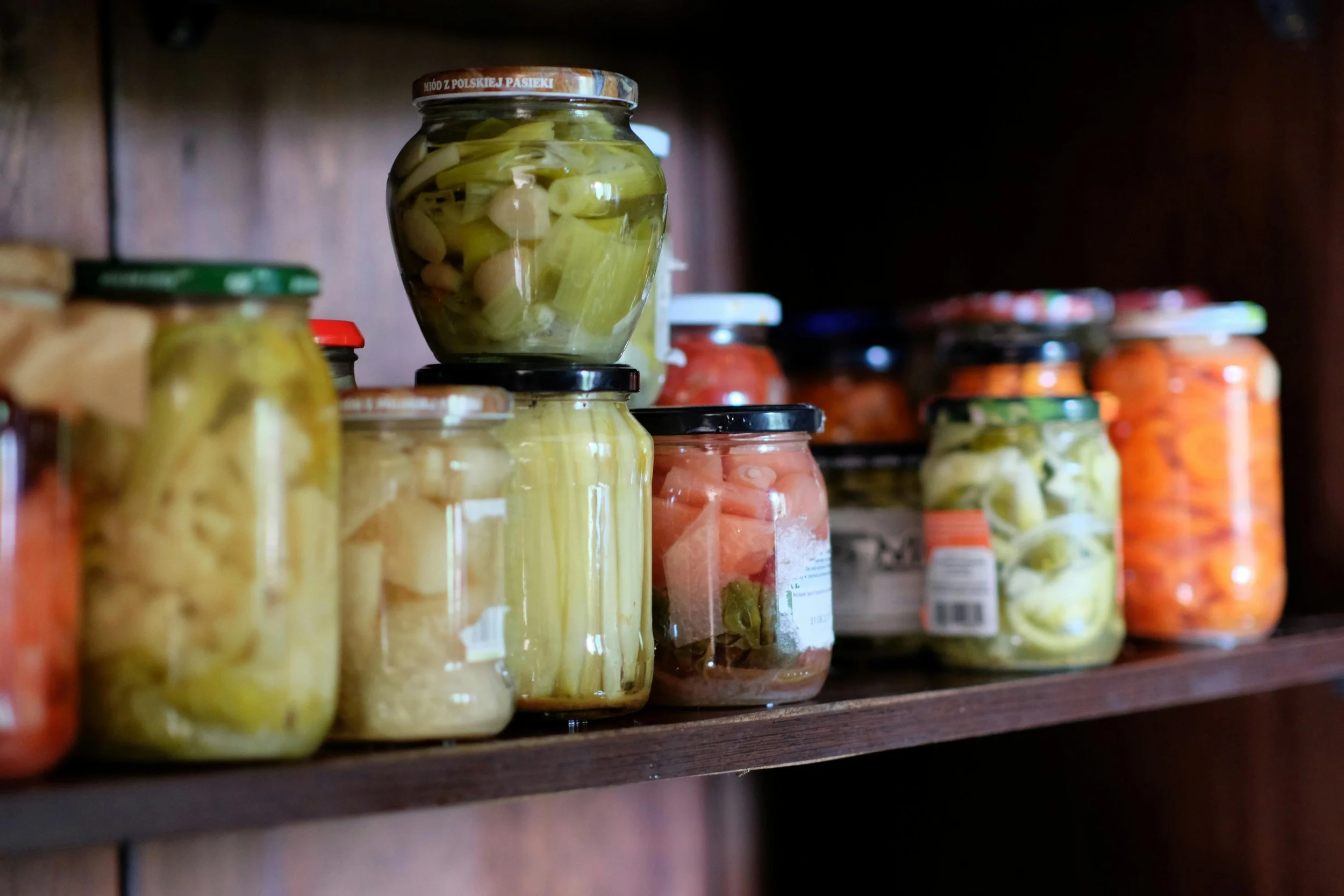
Food preservation
Basic carpentry
Plumbing basics
Animal care
First aid
Gardening
Composting
A strong skill set allows you to live comfortably on very little cash.
If you want a structured way to build those skills in your backyard before fully transitioning, The Self-Sufficient Backyard provides step-by-step systems that are realistic for beginners — especially those starting with limited funds.
The Hard Truth About Living Off the Grid With No Money
Let’s be honest:
It’s physically demanding
It can be isolating
It requires resilience
Mistakes cost time and effort
But it also provides:
Lower expenses
Greater food security
Freedom from utility dependence
Practical life skills
Most people who succeed don’t jump straight into wilderness isolation.
They:
Build skills first
Reduce expenses
Transition gradually
Expand systems over time
A Realistic 12-Month Transition Plan
If you truly have no money, here’s a practical path:
Months 1–3
Eliminate unnecessary expenses
Start backyard garden
Learn food preservation
Months 4–6
Add rainwater collection
Build simple outdoor cooking system
Practice low-electric living
Months 7–9
Add small livestock (if possible)
Begin reducing grocery bill significantly
Months 10–12
Research low-cost land
Explore caretaking opportunities
Build emergency savings
Gradual transition prevents burnout.
Can You Really Live Off the Grid With No Money?
Yes — but “no money” usually means:
Very low money
Gradual build
Skill-first approach
Minimal lifestyle
The biggest mistake is romanticizing it.
The biggest advantage is preparation.
If you prepare properly — especially by learning how to turn small land into productive land — you dramatically increase your odds of success.
Final Thoughts
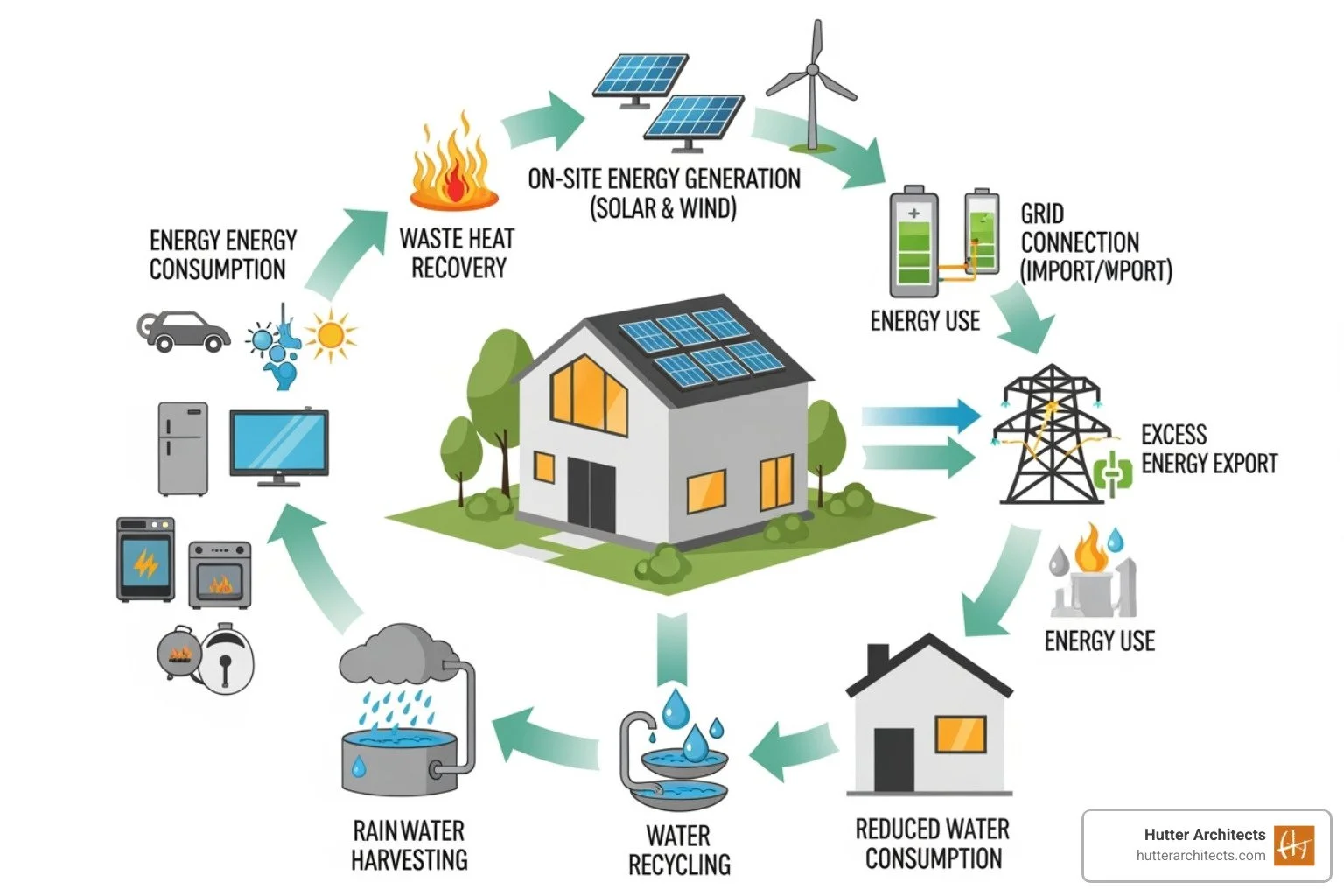
Living off the grid with no money is less about escaping society and more about:
Reducing dependency
Increasing resilience
Building practical skills
Producing your own food
Controlling your expenses
Start small. Build slowly. Focus on water, food, and shelter.
And if you want a practical blueprint for turning whatever land you have — even a small backyard — into a productive, self-sufficient system, The Self-Sufficient Backyard is a solid starting point for building real-world independence without massive upfront costs.
Off-grid freedom isn’t built in a day.
It’s built skill by skill, season by season.
